





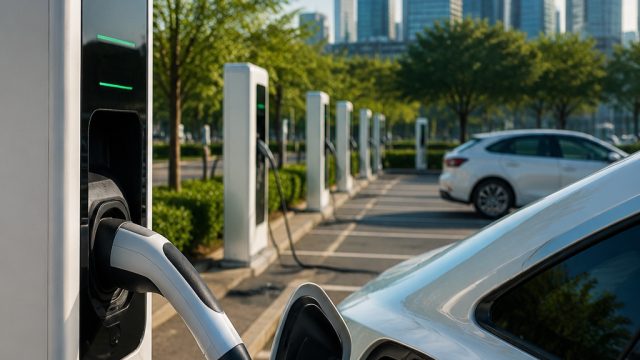
As the world shifts towards sustainable energy, the adoption of electric vehicles (EVs) is gaining unprecedented momentum. Electric vehicles are no longer a niche market but are becoming integral to our daily lives. However, for this transition to be successful, robust EV charging solutions must be in place. Understanding the significance of these solutions is crucial as we navigate the evolving landscape of transportation.
The Surge in Electric Vehicle Adoption
Recent statistics show that global EV sales are expected to surpass 30 million units annually by 2025. This surge is driven by increasing environmental awareness, government incentives, and technological advancements in battery efficiency. With more consumers opting for electric cars, the demand for reliable and accessible EV charging infrastructure becomes paramount.
Government Initiatives and Incentives
Many governments worldwide are implementing policies to promote electric mobility. Tax incentives, rebates, and grants for EV purchasers are driving consumers toward electric options. These initiatives are complemented by increased funding for charging infrastructure development, emphasizing the need for comprehensive solutions that ensure EV owners can charge their vehicles conveniently.
Charging Infrastructure: A Critical Component
The effectiveness of electric vehicles is heavily reliant on the availability of charging stations. Without a well-developed network of charging points, the fear of running out of battery—a phenomenon known as "range anxiety"—can deter potential EV buyers. Investing in charging infrastructure is not just about adding more charging stations; it’s about creating a seamless experience for users.
Types of EV Charging Solutions
- Level 1 Charging: Utilizes standard home outlets. Suitable for overnight charging.
- Level 2 Charging: Commonly found in public stations, these chargers can fully charge a vehicle in several hours.
- DC Fast Charging: Offers rapid charging capabilities, providing significant range within minutes.
This variety in charging solutions addresses different user needs, from residential to commercial charging stations, ensuring that EV owners have multiple options for keeping their vehicles powered.
The Role of Technology in Enhancing Charging Solutions
Technological advancements are pivotal in making EV charging more efficient and user-friendly. Innovations such as smart charging stations, which can communicate with the grid to optimize energy use during peak and off-peak hours, are revolutionizing how we think about charging. Additionally, mobile applications that allow users to locate charging stations, reserve slots, and track charging progress are enhancing the overall user experience.
Integration with Renewable Energy
Moreover, the integration of EV charging solutions with renewable energy sources like solar or wind can significantly reduce carbon footprints. Charging stations powered by renewable energy not only promote sustainability but also reduce operational costs for EV owners.
Building Consumer Trust
As the EV market expands, building consumer confidence in charging solutions is essential. Providing transparent information about charging speeds, costs, and availability will help reassure potential EV buyers. Trust can be cultivated through effective communication and by demonstrating reliability and efficiency in charging services.
Community Engagement and Education
Engaging with communities and educating them on the benefits of EVs and their charging solutions can lead to increased adoption rates. Workshops, informational sessions, and partnerships with local governments and businesses can help mitigate misconceptions about electric vehicles and showcase their advantages.
Conclusion: A Sustainable Future Awaits
In conclusion, the need for sophisticated EV charging solutions is more pressing now than ever. As the electric vehicle market continues to expand, a robust and accessible charging infrastructure will be vital for ensuring its sustainability. By embracing technology, educating consumers, and implementing comprehensive strategies, we can create a future where electric vehicles are the norm, contributing to a greener planet.
