





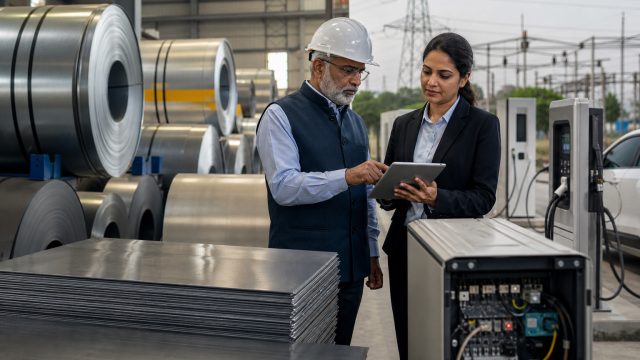
In recent weeks, the Indian government has launched a comprehensive investigation into the import of electrical steel from key global players, including China, Russia, Japan, and South Korea. This move not only underscores India's commitment to securing its domestic steel market but also has significant implications for the rapidly growing electric vehicle (EV) charging solutions sector. As the energy landscape evolves, understanding these regulatory shifts is crucial for stakeholders in the EV industry.
Why Regulatory Scrutiny Matters Now
The automotive industry, especially the electric vehicle segment, is at a pivotal moment. With a heightened focus on sustainability and a transition towards greener technologies, the demand for high-quality electrical steel is expected to surge. Electrical steel, essential for manufacturing transformers and motors, plays a critical role in the efficiency of EV charging infrastructure.
India's investigation into electrical steel imports arises amid concerns over quality and pricing. By ensuring that imported steel meets stringent standards, the Indian government aims to bolster its domestic manufacturers while reducing dependence on foreign materials. This is particularly important as the country seeks to become a global hub for electric mobility.
The Impact on the EV Charging Infrastructure
- Potential Price Fluctuations: With tighter regulations on imports, suppliers may face increased costs, which can trickle down to the pricing of EV charging stations.
- Supply Chain Challenges: If key materials are restricted, manufacturers in the EV sector might experience delays in production timelines, affecting overall market availability.
- Innovation and Competition: Domestic producers may ramp up innovation to meet domestic demand, potentially leading to advanced solutions in EV charging technology.
Broader Implications for the Energy Sector
The scrutiny of electrical steel imports is not just a steel industry issue; it resonates throughout the energy sector. As India positions itself as a leader in sustainable energy solutions, the need for robust, reliable, and high-quality components becomes paramount. The effectiveness of renewable energy sources, like solar and wind, often depends on efficient energy storage and distribution systems that rely heavily on electrical steel.
Navigating Opportunities amid Challenges
For companies involved in EV charging solutions, this investigation can serve as a double-edged sword. While the immediate effects may pose challenges, there are considerable opportunities for growth and adaptation:
- Local Sourcing: Companies can pivot towards sourcing materials locally, creating partnerships with domestic steel manufacturers.
- Technological Advancements: Enhanced focus on R&D can lead to the development of innovative EV charging systems that incorporate new technologies.
- Market Expansion: The growing demand for EV infrastructure could lead to new market segments within the energy sector, encouraging investment and job creation.
The Future Landscape of EV Charging Solutions
As India embarks on this regulatory journey, the future of EV charging solutions remains bright but requires adaptability from all stakeholders involved. The implications of this investigation extend beyond simple market adjustments; they signify a broader shift towards self-sufficiency and sustainability in energy production and use.
For consumers, this means not just an increase in the availability of EV charging stations, but potentially enhanced charging speeds and efficiencies as manufacturers strive to innovate under new regulations. For investors, understanding these dynamics can provide insight into which companies are best positioned to thrive in this evolving landscape.
Conclusion
India's investigation into electrical steel imports is a critical development that signals a transformative era for the electric vehicle and charging infrastructure sectors. As the government seeks to strengthen domestic production and reduce reliance on imports, stakeholders in the EV market must stay informed and agile. Embracing innovation and exploring local partnerships could very well define the next chapter in India’s electric mobility journey.
