





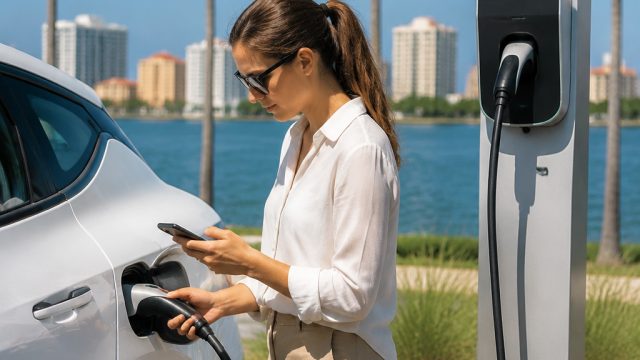
As the push for sustainable transportation continues to gain momentum, Florida is making significant strides in establishing a robust electric vehicle (EV) charging infrastructure. The cities of Naples and Fort Myers have emerged as key players in this transition, showcasing the importance of accessible EV charging solutions.
Current Landscape of EV Charging in Florida
With the increasing adoption of electric vehicles, Florida is rapidly expanding its charging network. The state's focus on EV infrastructure is part of a broader initiative to reduce carbon emissions and support the transition to cleaner energy sources. In recent years, cities like Naples and Fort Myers have been at the forefront of this development.
Key Statistics
- Florida ranks among the top states in the U.S. for EV registration growth.
- Naples has seen a 30% increase in available charging stations over the last year.
- Fort Myers is investing in fast-charging stations to facilitate longer trips.
The exponential growth in the number of electric vehicles on the roads highlights the need for a corresponding increase in charging options. Both Naples and Fort Myers are crucial to supporting EV owners, catering to both local commuters and visitors alike.
Spotlight on Naples
Naples, known for its picturesque landscapes and upscale lifestyle, is making significant advancements in EV charging accessibility. The local government, in collaboration with private partners, is actively working to enhance the EV charging network. This flourishing town now boasts numerous public charging stations, providing a convenient experience for EV owners.
Community Engagement and Initiatives
Local initiatives aim to raise awareness about the benefits of electric vehicles and encourage community involvement in sustainable practices. Some key efforts include:
- Public workshops on the advantages of EVs and available incentives.
- Collaborations with local businesses to offer charging stations.
- Awareness campaigns promoting the environmental benefits of EV usage.
These initiatives not only inform residents but also contribute to a broader cultural shift towards sustainability in Naples.
Analyzing Fort Myers' EV Potential
Fort Myers is not lagging behind; in fact, it is emerging as a critical hub for EV charging solutions in southwestern Florida. The city is focusing on providing comprehensive charging options that cater to the diverse needs of its residents and tourists.
Infrastructure Development
The local government has initiated several projects aimed at enhancing the EV charging landscape:
- Installation of high-speed charging stations along major travel routes.
- Partnerships with commercial property owners to develop charging facilities.
- Incentives for businesses to install EV chargers on their premises.
This development not only facilitates convenient access for EV owners but also encourages more residents to consider electric vehicles as a viable alternative to traditional gasoline-powered cars.
Why This Matters Now
The race towards electrification is not just a trend; it's an essential step in combating climate change and promoting sustainable energy use. As cities like Naples and Fort Myers enhance their EV charging capabilities, they set the stage for a greener future, paving the way for a sustainable economy.
Future Projections
Experts predict that with continued investment in EV infrastructure, Florida could see a doubling of electric vehicle registrations by 2025. The importance of cities like Naples and Fort Myers in this evolution cannot be overstated, as their efforts will serve as a model for other regions.
Conclusion
The advancements in EV charging infrastructure in Naples and Fort Myers exemplify Florida's commitment to a sustainable future. As the demand for electric vehicles continues to rise, the importance of accessible charging stations becomes increasingly evident. By prioritizing the development of EV infrastructure, Florida is not only enhancing the convenience for its residents but also contributing to a more sustainable planet. Stay informed about these developments to better understand how they can impact our environment and daily lives.
