





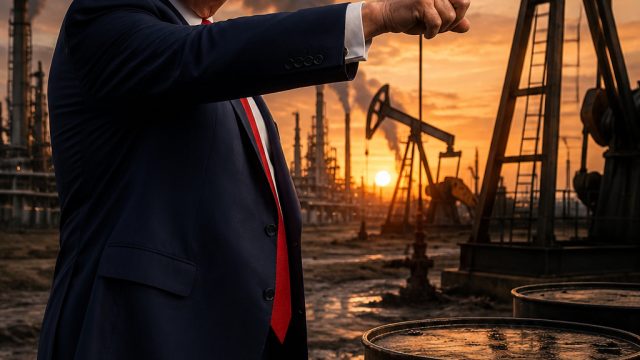
As gas prices continue to soar, former President Donald Trump has launched a pointed critique against major oil companies, accusing them of price gouging. This confrontation comes at a crucial time as consumers grapple with escalating energy costs, sparking debate about the responsibilities of oil corporations and the potential for a shift towards renewable energy sources.
Escalating Energy Prices: A Growing Concern
The cost of energy has become a significant issue for millions of Americans. According to recent reports, average gas prices have reached levels not seen in years, placing financial strain on households. Trump's accusations against oil companies stem from a belief that their pricing practices are unfair and exploitative.
Consumer Impact and Economic Implications
- Increased transportation costs for families
- Higher prices affecting goods and services nationwide
- Potential backlash against oil companies could lead to regulatory changes
This situation raises questions about the balance of power between consumers and corporations in the energy sector. With many citizens feeling the pinch at the pump, the discourse surrounding energy policy is intensifying.
The Push for Renewable Energy Solutions
As discussions about oil prices heat up, the narrative is increasingly shifting towards sustainable energy alternatives. Industry experts and environmental advocates argue that the time has come to accelerate the transition from fossil fuels to renewable resources. Not only could this help stabilize energy prices in the long run, but it also addresses urgent climate concerns.
Why Now is the Time for Change
- Technological advancements have made EV charging solutions more accessible.
- Government incentives for renewable energy adoption are on the rise.
- Public demand for sustainable practices is at an all-time high.
Transitioning to renewable energy can reduce dependence on oil, which is often subject to price fluctuations due to geopolitical tensions and market dynamics. Emphasizing electric vehicle (EV) charging infrastructure is a critical component of this transition. As more consumers consider electric vehicles, the demand for reliable and efficient EV charging solutions is expected to grow.
What This Means for Future Energy Policy
Trump's statements reflect a broader conversation about energy independence and security. By addressing the role of oil companies in fuel pricing, policymakers may feel pressured to reevaluate energy regulations. This could lead to more stringent policies governing oil production and pricing, and potentially bolster the case for renewable energy initiatives.
Looking Ahead: An Evolving Energy Landscape
- Investment in alternative energy sources is predicted to increase.
- Legislation supporting EV infrastructure is gaining momentum.
- Awareness of sustainable practices among consumers continues to grow.
As the energy landscape evolves, companies involved in EV charging solutions, including Elmoraq, stand to benefit from these shifts. By prioritizing innovation and sustainability, energy providers can better adapt to the changing demands of consumers and the market.
Conclusion: A Call to Action
Trump's recent criticisms of oil companies highlight a pivotal moment in the conversation about energy prices and corporate responsibility. As consumers increasingly seek alternatives to traditional fossil fuels, the demand for EV charging infrastructure and renewable energy solutions is likely to escalate. Now is the time for both consumers and policymakers to advocate for a cleaner, more sustainable energy future. Together, we can navigate these challenges and embrace the opportunities that lie ahead.
