





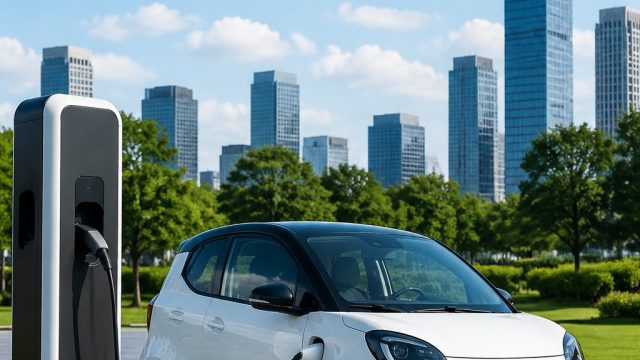
The realm of electric vehicles (EVs) is undergoing a significant transformation, with compact electric cars emerging as a pivotal solution to modern transportation challenges. As cities become more congested and environmental concerns grow, these small yet powerful vehicles are gaining attention for their potential to revolutionize urban mobility. The time for this shift is now, and here's why.
Understanding the Compact EV Phenomenon
Compact EVs are designed to meet the needs of urban dwellers and environmentally conscious consumers. Unlike traditional vehicles, these smaller cars not only offer efficiency in energy consumption but also make parking and maneuvering in crowded spaces much easier.
Why Size Matters
- Space Efficiency: Compact EVs are ideal for urban environments where space is at a premium.
- Cost-effective: They often come with a lower price tag, making them accessible to a broader range of consumers.
- Lower Environmental Impact: Smaller vehicles typically consume less energy and produce fewer emissions.
The Technological Edge of Compact Electric Vehicles
Recent advancements in battery technology have made it possible for compact EVs to travel longer distances on a single charge. For instance, these vehicles now incorporate intelligent energy management systems that optimize power use based on driving conditions and patterns.
Battery Innovations
The introduction of high-energy-density batteries allows compact EVs to achieve performance levels previously seen only in larger models. This means:
- Greater range capabilities, enabling longer trips without frequent charging.
- Faster charging times, which enhance convenience for users.
- Improved longevity and decreased replacement costs over time.
Urban Infrastructure Adaptation
As the popularity of compact EVs grows, cities are adapting their infrastructure to accommodate these vehicles. Initiatives include the installation of more charging stations, dedicated parking spaces, and incentives for using smaller, electric cars.
Supportive Policies and Initiatives
Governments worldwide are recognizing the importance of compact EVs in achieving sustainability goals. This support can come in many forms, including:
- Subsidies and tax breaks for EV purchases.
- Investment in public charging infrastructure.
- Regulations that favor smaller vehicles over larger, more polluting ones.
The Future of Compact EVs: A Growing Market
The compact EV market is projected to expand significantly in the coming years. Major automotive manufacturers are investing heavily in the development of innovative models designed to meet consumer demands for sustainability and efficiency.
Consumer Trends Driving Growth
Several factors contribute to the increasing adoption of compact electric vehicles:
- Environmental Awareness: Consumers are more informed about climate change and seeking eco-friendly alternatives.
- Urbanization: As more people move to cities, the demand for efficient, space-saving transport solutions rises.
- Technological Advancements: Ongoing improvements in EV technology make compact cars more appealing.
Conclusion: Embracing the Compact EV Revolution
As we look to the future of transportation, compact electric vehicles stand out as a promising solution to the dual challenges of urban congestion and environmental sustainability. The convergence of innovative technology, supportive infrastructure, and changing consumer preferences is setting the stage for a new era in mobility. Now is the time for stakeholders—including governments, manufacturers, and consumers—to embrace this change and invest in the future of compact EVs.
