





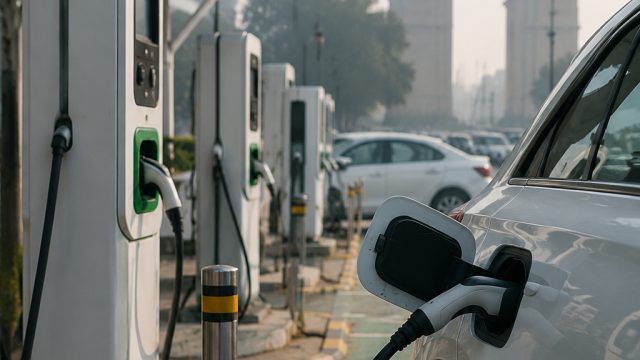
As Delhi strives to lead the charge towards electric mobility, the urgent need to address the city's EV charging infrastructure has never been more pronounced. With environmental concerns escalating and the government pushing for a greener future, the transition to electric vehicles (EVs) is at the forefront of discussions. However, the ambitious plans face significant hurdles that could impede progress.
The Urgent Need for EV Infrastructure
In recent years, the Indian government has emphasized the importance of sustainable transportation solutions to combat pollution and reduce dependence on fossil fuels. As a result, Delhi has initiated several programs aimed at promoting electric vehicle adoption. However, without a robust charging infrastructure, these initiatives may fall short of their goals.
Current Infrastructure Landscape
- Charging Stations: The number of EV charging stations in Delhi is currently inadequate compared to the rapidly growing number of electric vehicles on the road.
- Accessibility: Many existing charging stations are not easily accessible, causing inconvenience for EV users.
- Public Awareness: A lack of awareness about available charging facilities limits broader EV adoption among the general populace.
Barriers to Infrastructure Development
Multiple factors hinder the establishment of a comprehensive EV charging network across the city. Addressing these challenges is critical for ensuring the successful adoption of electric vehicles.
Investment and Funding Shortfalls
While government incentives have been introduced to encourage private investment in EV infrastructure, these efforts have not yet led to substantial results. Many potential investors remain hesitant, citing concerns over return on investment and the current economic climate.
Land Acquisition Issues
Finding suitable locations for new charging stations poses another significant challenge. The dense urban environment of Delhi complicates land acquisition, with local regulations often causing delays in the establishment of new facilities.
Technological Limitations
The charging technology used in many existing stations is outdated, leading to longer charging times and user frustration. This technological lag can discourage potential EV buyers who seek convenience and efficiency.
Innovative Solutions to the Rescue
Despite these challenges, innovative strategies are being explored to enhance Delhi's EV charging infrastructure. Stakeholders are considering multiple avenues to tackle these pressing issues.
Partnerships with Private Companies
Collaborations between the government and private enterprises can lead to a more efficient rollout of charging stations. By pooling resources and expertise, these partnerships can accelerate infrastructure development.
Smart City Initiatives
The integration of smart technologies within urban planning can facilitate the establishment of more efficient and user-friendly charging stations. By implementing real-time data systems, users can be informed of charging station availability and operational status.
Conclusion: The Path Forward for Delhi's EV Ambitions
As Delhi looks to solidify its position as a leader in electric mobility, addressing the current infrastructure challenges remains imperative. The government's commitment to sustainability is evident, but without adequate charging solutions, the dream of a cleaner, greener transportation landscape may be jeopardized. Stakeholders must work collaboratively, leveraging technology and innovative partnerships to create an accessible and efficient EV charging network. The time for action is now, as the success of Delhi's electric vehicle ambitions hangs in the balance.
