





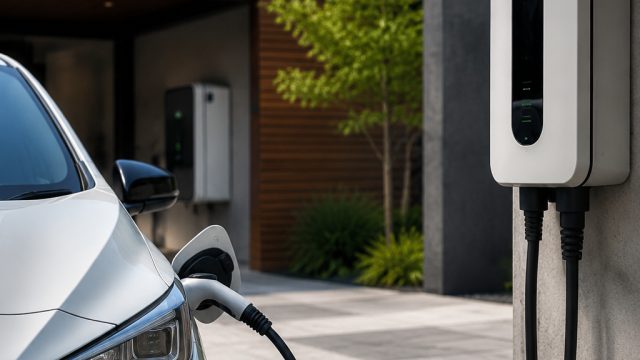
Nissan and Valeo Partner for Innovative Bidirectional EV Charging Solutions
The electric vehicle (EV) landscape is evolving rapidly, and the recent collaboration between Nissan and Valeo aims to accelerate this transformation. This partnership focuses on the development of bidirectional charging stations, a technology that could redefine how we think about energy consumption in our homes and vehicles. As the demand for EVs continues to surge, understanding the implications of this technology is more crucial than ever.
What Are Bidirectional Charging Stations?
Bidirectional charging stations allow electric vehicles to not only draw power from the grid but also return energy back into it. This capability is particularly significant for users with renewable energy sources, such as solar panels. With bidirectional charging, EVs can potentially serve as mobile energy storage systems, providing a way for homeowners to manage their energy needs more effectively.
Key Features of the New Stations
- Energy-sharing capabilities that allow vehicles to transfer power back to homes.
- Integration with smart home systems for optimized energy use.
- Support for various EV models beyond Nissan's lineup.
Why This Partnership Matters Now
As governments worldwide push for greener technologies, the importance of sustainable energy solutions has never been greater. The Nissan-Valeo partnership signifies a move towards holistic energy solutions that address both vehicle charging and home energy management. The implications extend beyond consumers, potentially influencing energy policies and the way utility companies operate.
Positive Impact on Consumers
Consumers stand to benefit significantly from these advancements:
- Reduced energy costs by utilizing vehicle batteries for home energy needs.
- Extended range for EVs through effective energy management.
- Enhanced convenience by having a single solution for both driving and home energy use.
Challenges and Considerations
Despite the promising potential of bidirectional charging, there are challenges that need to be addressed:
- Regulatory frameworks and standards for energy exchange have yet to be fully developed.
- Consumer awareness and acceptance of this technology will take time.
- Initial costs of installation may deter some homeowners.
Future Prospects
Looking ahead, as technological advancements continue, bidirectional charging could become a standard feature in EV infrastructure. This could pave the way for widespread adoption of renewable energy sources, aligning with global sustainability goals. With companies like Nissan and Valeo leading the charge, the future of energy consumption is indeed bright.
Conclusion
Nissan and Valeo's collaboration on bidirectional charging stations is a significant step forward in the EV sector. This innovative solution not only enhances the functionality of electric vehicles but also supports a sustainable energy future. As we witness these developments, it is essential to stay informed and consider how such technologies could impact our daily lives. Embracing these changes now could mean benefiting from a smarter, greener future.
