





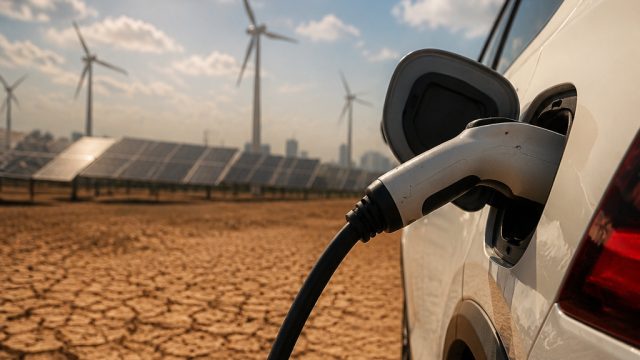
As Europe experiences an unprecedented heat wave, the effects are rippling through various sectors, particularly in energy consumption and electric vehicle (EV) charging solutions. With temperatures soaring, understanding the implications of this weather phenomenon on EV infrastructure is crucial as the demand for sustainable energy alternatives rises. In this article, we delve into how the current climate crisis is influencing energy usage and what it means for the future of EV charging.
The Unprecedented Heat Wave: A Catalyst for Change
Europe is currently grappling with record-high temperatures, setting off alarms for public health, infrastructure, and energy systems. The rise in temperature is not just a temporary spike but a clear indication of changing climate patterns. These extreme conditions necessitate immediate action on several fronts:
- **Public Health Risks**: Higher temperatures pose significant risks to vulnerable populations, causing heat-related illnesses that strain healthcare systems.
- **Infrastructure Strain**: Traditional energy grids are being pushed to their limits, leading to power outages and increased energy costs.
- **Renewable Energy Demand**: As energy needs grow, the transition to renewable sources becomes more urgent, especially in the realm of EV charging.
Impact on Electric Vehicle Charging Infrastructure
The surge in temperatures affects both the energy supply and the performance of EV charging systems. Here are some critical insights on how extreme heat influences charging infrastructure:
Increased Energy Demand
As temperatures climb, so does the demand for electricity, particularly for cooling systems. This increased load can lead to:
- **Grid Overload**: With more households and businesses relying on air conditioning, the energy grid may become overloaded, affecting charging station availability.
- **Pricing Fluctuations**: The surge in demand can lead to higher energy costs during peak hours, impacting the operating expenses of charging stations.
- **Increased Charging Times**: Extreme heat can negatively affect battery performance, leading to longer charging times for electric vehicles.
Adapting Charging Solutions for Extreme Conditions
To face these challenges, companies like Elmoraq are innovating to ensure that EV charging infrastructure remains reliable and efficient. Key adaptations include:
- **Smart Charging Solutions**: The deployment of smart technologies can help manage energy loads effectively, adjusting charging times based on demand and grid capacity.
- **Renewable Energy Integration**: Integrating solar power and other renewable sources ensures that charging stations are less vulnerable to grid outages and price fluctuations.
- **Cooling Technologies**: Implementing advanced cooling systems at charging stations can help maintain optimal operation even in extreme temperatures.
The Role of Policy and Innovation
As we navigate these challenges, the role of policy in shaping the future of energy and transportation cannot be overlooked. Recent legislative efforts aim to bolster renewable infrastructure and enhance grid resilience in the face of climate change. Initiatives to promote electric vehicle adoption and support charging infrastructure are vital steps forward.
Investment in Green Technologies
Investment in innovative green technologies is essential for creating a sustainable future. Key areas of focus include:
- **Research and Development**: Funding research into battery technology can improve performance and longevity, making EVs more accessible and efficient.
- **Public-Private Partnerships**: Collaborations between governments and private companies can accelerate the deployment of charging stations and renewable energy sources.
- **Consumer Incentives**: Offering incentives for electric vehicle purchases and home charging installations can help drive market demand.
Conclusion: A Call To Action
The ongoing heat wave in Europe serves as a stark reminder of the urgent need for resilient energy solutions to support our transition to electric mobility. As demand for EV charging rises, companies like Elmoraq are at the forefront, offering innovative solutions designed to meet the challenges posed by climate change. By adapting to these extreme conditions and investing in sustainable technologies, we can ensure a reliable and robust charging infrastructure for the future.
