





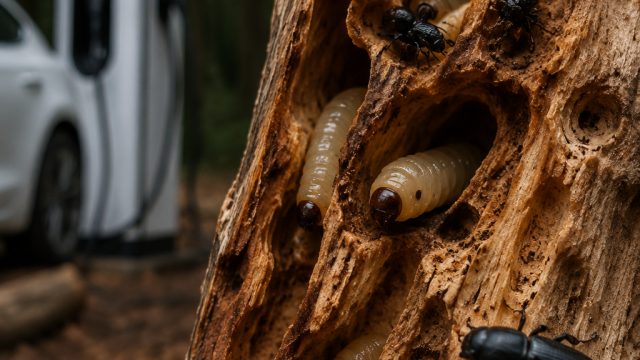
On the surface, a piece of wood may appear robust and intact, but beneath this facade lies a complex ecosystem where insects play dual roles as either benign guests or destructive foes. This intricate relationship between wood and insects is not only fascinating but also crucial for understanding how we manage wood resources and maintain ecological balance.
The Invisible Life in Wood
Many people are unaware of the vibrant life that exists within wood. Insects like beetles, termites, and wood-boring larvae often make their homes in seemingly healthy timber, creating a hidden community that can have significant implications for the integrity of the wood itself.
Beneficial Insects
While some insects cause harm, others contribute positively to the ecosystem:
- Decomposers: Certain insects help break down dead wood, recycling nutrients back into the soil.
- Pollinators: Some insects, while not directly linked to wood, facilitate healthy plant growth by pollinating surrounding flora.
- Nutrient Cycling: Insects contribute to the nutrient cycle, ensuring that the forest ecosystem remains sustainable.
Destructive Pests and Their Impact
Not all insects are beneficial. Wood-destroying insects can pose severe threats to both natural and human-made structures. Understanding these pests is essential for effective management and prevention strategies.
Common Wood-Destroying Insects
Some of the most notorious wood pests include:
- Termites: Often referred to as the 'silent destroyers,' termites can cause extensive damage before signs are visible.
- Carpenter Ants: These ants excavate wood to create nests, which can compromise the structural integrity of buildings.
- Powderpost Beetles: Emerging from infested wood, these beetles can wreak havoc on furniture and flooring.
Protecting Wood: Strategies and Solutions
Effective management of wood and its insect inhabitants is crucial for preserving both aesthetic and structural qualities. Here are several strategies to protect wood from unwanted pests:
- Regular Inspections: Conducting routine checks for signs of infestation can prevent minor issues from escalating into severe damage.
- Wood Treatment: Utilizing chemical treatments or natural alternatives can deter pests from infesting the wood.
- Proper Ventilation: Ensuring adequate airflow in storage areas helps reduce moisture, making conditions less hospitable for wood-destroying insects.
The Future of Wood Ecology
As we increasingly value sustainable building practices and the use of wood, understanding the ecosystem within this resource becomes more critical. Protecting wood from pest damage not only preserves our structures but also supports the broader ecological balance.
Innovative Approaches
New technologies and research are continuously emerging, offering innovative solutions for managing wood and its insect inhabitants. Here are some promising developments:
- Biological Control: Researchers are exploring ways to use natural predators to manage pest populations sustainably.
- Smart Sensors: Technology that detects changes in wood moisture and temperature can alert homeowners to potential pest problems before they escalate.
- Ecological Solutions: Emphasizing an ecological approach can help balance the needs of wood preservation with the health of insect populations.
Conclusion
Understanding the dual roles of insects within wood is vital for anyone involved in wood production, construction, or management. By recognizing these relationships, we can take informed steps to protect our wood resources while fostering a healthy ecosystem. As we continue to explore this hidden world, the importance of balancing the needs of insects and humans will become increasingly clear. Embracing sustainable practices now can lead to a healthier environment for future generations.
