





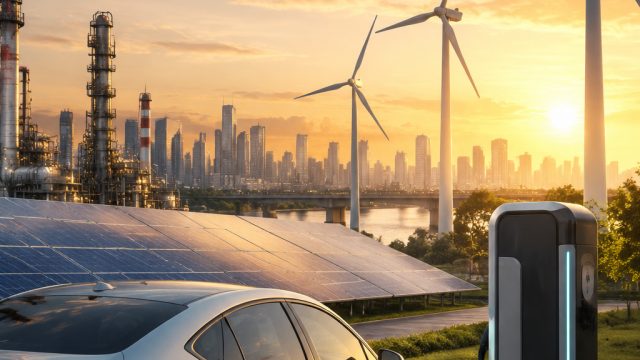
Understanding Europe's Dependency on Energy: Key Insights for 2026
As we advance towards 2026, the focus on Europe's energy dependencies is more crucial than ever. The continent's transition to sustainable energy sources has raised pressing questions about its reliance on external energy supply and the impact of this transition on electric vehicle (EV) charging solutions.
The Current Energy Landscape
Europe's energy landscape has undergone significant transformations over the past few years. Countries are increasingly investing in renewable sources like solar, wind, and hydro to reduce their carbon footprint and ensure energy independence. However, as energy dependencies shift, the region faces challenges in balancing supply and demand, especially in the context of a growing EV market.
Key Factors Influencing Energy Dependency
- Geopolitical Tensions: Ongoing geopolitical issues can disrupt energy supplies, making it imperative for nations to strategize around energy security.
- Investment in Renewables: The pace of investment in renewable energy technologies varies widely across Europe, influencing how quickly countries can reduce their reliance on fossil fuels.
- Technological Advancements: Innovations in energy storage and grid management can play a pivotal role in enhancing energy security and encouraging the adoption of EVs.
Impact on EV Charging Infrastructure
The shift towards renewable energy significantly impacts the EV charging infrastructure across Europe. As more consumers adopt electric vehicles, having a robust and sustainable charging network becomes essential.
Current Challenges in EV Charging Solutions
- Inconsistent Charging Standards: Different countries have varying charging standards, complicating the user experience and hindering widespread adoption.
- Infrastructure Investments: While investments are increasing, many regions still lack the necessary charging stations to support a growing fleet of electric vehicles.
- Energy Supply Stability: A stable and reliable energy supply is vital for the efficient operation of charging stations, underscoring the need for local energy solutions.
Looking Ahead: Solutions and Strategies
As Europe moves closer to 2026, several strategies can be implemented to address energy dependency and improve EV charging infrastructures:
Enhancing Renewable Energy Integration
To better support EV charging stations, Europe must focus on enhancing the integration of renewable energy sources into the grid. This requires:
- Smart Grids: Developing smart grids that can manage energy distribution dynamically and respond to changing demand patterns.
- Energy Storage Solutions: Investing in energy storage technologies to ensure a stable supply of renewable energy for charging stations.
- Local Energy Production: Promoting local energy production from renewable sources to reduce dependency on external supplies.
Implementing Unified Charging Standards
The establishment of unified charging standards across Europe can significantly improve user experience and facilitate the growth of the EV market. This includes:
- Collaboration Among Nations: Countries should work together to develop compatible charging technologies.
- Consumer Awareness Campaigns: Educating consumers on the benefits and availability of standardized charging solutions.
- Regulatory Support: Governments need to provide support and incentives for developing infrastructure that meets these standards.
Encouraging Public-Private Partnerships
Building effective partnerships between the public sector and private enterprises can lead to innovative solutions for EV charging infrastructure. Potential benefits include:
- Shared Resources: Leveraging shared resources can lower costs and expedite the deployment of charging networks.
- Innovative Financing Models: Developing new financing models that attract investments in charging infrastructure.
- Research and Development Funding: Investing in R&D to create cutting-edge technologies that improve charging efficiency.
Conclusion: The Path Forward
Understanding Europe's energy dependencies and the future of EV charging solutions is essential as we navigate toward 2026. By addressing the current challenges and implementing strategic initiatives, Europe can pave the way for a sustainable energy future and a thriving electric vehicle market. The time to act is now, as these initiatives will not only enhance energy security but also support the broader goals of reducing carbon emissions and promoting sustainability.
