





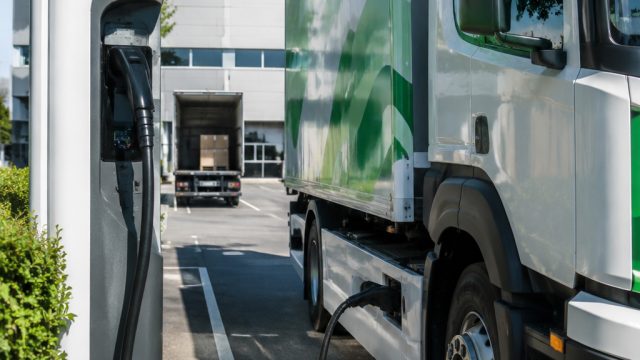
In the face of soaring diesel prices, logistics companies are rapidly transitioning to electric vehicles (EVs) to enhance operational efficiency and reduce costs. The urgency of this shift is magnified by escalating fuel prices, prompting a reassessment of long-standing transportation strategies. As global logistics continue to evolve, the embrace of EV technology signifies a pivotal moment in the industry.
Current Challenges in the Logistics Sector
Rising fuel costs have become a significant burden for logistics companies, prompting them to seek innovative solutions. Traditional fuel expenses not only impact profit margins but also drive operational inefficiencies. This scenario has created an environment ripe for the adoption of electric vehicles, which promise lower fuel costs and reduced greenhouse gas emissions.
High Diesel Prices Drive Change
- Diesel prices have seen an unprecedented increase, straining budgets across the logistics sector.
- Logistics firms are compelled to explore alternatives to maintain competitiveness and profitability.
- The cost-effectiveness of electric vehicles becomes increasingly apparent in this economic climate.
The Benefits of Electric Vehicle Adoption
Electric vehicles offer multiple advantages that are particularly attractive to logistics firms grappling with rising operational costs. Understanding these benefits is crucial for stakeholders aiming to adapt to market demands.
Cost Savings
By switching to electric vehicles, logistics companies can significantly reduce fuel expenses. The charging costs associated with EVs are normally lower than that of diesel fuel, leading to substantial savings over time. Furthermore, many governments are providing incentives for companies to adopt clean energy solutions, which can offset initial investment costs.
Environmental Impact
Transitioning to EVs contributes to lower carbon emissions, aligning with global sustainability goals. As public awareness of climate change grows, consumers increasingly favor companies that prioritize eco-friendly practices. Consequently, adopting electric vehicles not only improves operational efficiency but helps bolster a company’s reputation.
The Path Forward: Overcoming Heavy Truck Limitations
Despite the progress, the transition to electric vehicles is not without hurdles, particularly for heavy-duty trucks. While lighter vehicles are becoming more common within fleets, heavy trucks lag due to technological limitations and the need for robust infrastructure.
Infrastructure Challenges
- Charging infrastructure for heavy-duty electric trucks is still developing, limiting their practicality for long-haul routes.
- Investment in charging stations is required to support the increasing number of electric trucks on the road.
- Logistics companies are advocating for more government support to facilitate infrastructure development.
Technological Barriers
The current limitations of battery technology pose challenges for the adoption of electric heavy trucks. While advancements are being made, the need for longer ranges and faster charging capabilities remains critical for widespread acceptance.
Why This Matters Now
The push for electric vehicles in logistics is not just a trend; it is a necessary response to current economic pressures and a commitment to sustainable practices. As logistics firms adapt to high diesel prices, the drive towards electrification is likely to shape the future of transportation. Stakeholders must stay informed about developments in EV technology and infrastructure to fully capitalize on this transformative movement.
Conclusion
As diesel prices continue to fluctuate, the logistics industry faces a compelling case for electric vehicle adoption. By investing in sustainable transport solutions now, logistics companies can position themselves for long-term success while contributing to a cleaner planet. The future of logistics is electric, and the time to act is now.
