





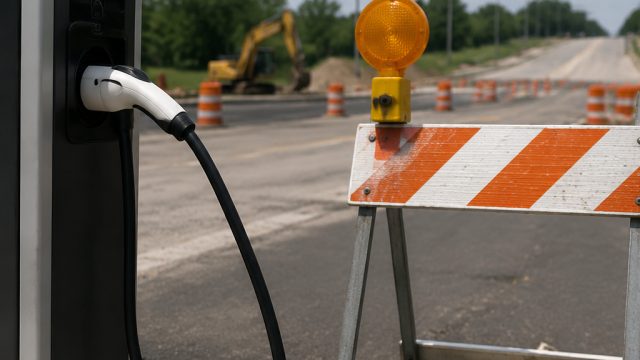
In a significant turn of events, Westmoreland County has decided to terminate its agreement to install electric vehicle (EV) charging stations. This decision comes at a time when the push for sustainable transportation solutions is gaining momentum across the United States. As EV adoption continues to rise, the implications of this decision could impact local infrastructure and the region's commitment to green energy.
The Background of the Project
Initially, Westmoreland County had entered into a contract with a private company to set up several charging stations throughout the area. The project was designed to facilitate the growing number of electric vehicles on the road and to promote eco-friendly transportation options among residents and visitors alike.
Projected Benefits of EV Charging Stations
- Enhanced accessibility for electric vehicle owners.
- Reduction of carbon emissions by promoting sustainable transportation.
- Increased tourism and economic development through improved infrastructure.
Despite these potential benefits, the county's leadership has raised concerns regarding the financial viability and operational management of the charging stations.
Reasons Behind the Cancellation
Officials stated that the cancellation was primarily due to financial implications and the terms of the contract that were deemed unfavorable. During the review process, the county expressed apprehensions regarding the anticipated costs of installation and maintenance, which could potentially burden taxpayers.
Concerns Over Financial Commitment
Budget constraints and rising expenses have led to a re-evaluation of the county's priorities. The shift in focus signifies a growing necessity for local governments to align their sustainability efforts with practical financial management:
- Analysis of long-term costs versus short-term benefits.
- Ensuring that infrastructure investments are sustainable.
- Prioritizing projects that yield immediate community benefits.
What This Means for the Future of EV Infrastructure
This cancellation raises essential questions about Westmoreland County’s future plans for electric vehicle infrastructure. As the nation moves toward greener alternatives, local governments will need to find a balance between ambitious sustainability goals and fiscal responsibility.
The Bigger Picture
With the push toward electric vehicles gaining traction nationwide, this decision may inadvertently slow down the momentum in Westmoreland County. It emphasizes the critical need for:
- Innovative financing solutions for future infrastructure projects.
- Collaboration between local governments and private entities to share costs.
- Engagement with the community to emphasize the benefits of EV adoption.
This cancellation is a reminder that while the transition to electric vehicles is essential, it must be managed wisely to protect local financial health.
Community Response and Next Steps
The community's feedback on this decision has been mixed, with some residents voicing disappointment over the setback in EV infrastructure, while others understand the financial concerns raised by the county. The local government is now tasked with reassessing its strategy to support EVs and exploring alternative methods to promote sustainable transportation.
Future Considerations
As Westmoreland County looks to the future, it must also recognize the shifting landscape of transportation technology, which includes:
- Potential partnerships with renewable energy organizations.
- Investment in educational programs to boost EV awareness.
- Exploration of grants or subsidies to offset infrastructure costs.
Building a robust EV charging network requires careful planning, innovative financing, and a commitment to sustainability that aligns with community needs.
Conclusion
The cancellation of the EV charging station project in Westmoreland County underscores the complexities of implementing sustainable solutions. As electric vehicle adoption continues to rise, stakeholders must advocate for balanced approaches that ensure both environmental and fiscal health. The decision highlights the importance of strategic planning in the realm of EV infrastructure, setting the stage for what may come next in the county's journey toward a sustainable future.
