





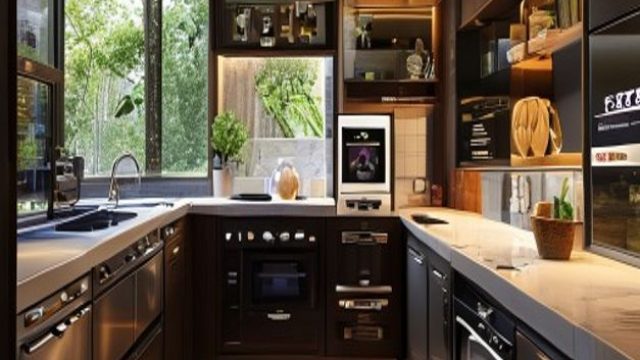
The kitchen is often considered the heart of the home, and as we look towards 2026, it's clear that design trends are evolving to keep pace with our changing lifestyles. From sustainability to smart technology, the kitchens of tomorrow promise not only aesthetic appeal but also enhanced functionality. This article delves into the trends that are set to shape kitchen designs in the coming years and why embracing these changes matters now more than ever.
Sustainable Materials Take Center Stage
In recent years, sustainability has moved from a niche concern to a mainstream priority in home design. By 2026, kitchens will increasingly incorporate eco-friendly materials that lessen environmental impact. This trend does not merely reflect an aesthetic choice but aligns with a broader societal shift towards sustainability.
Benefits of Sustainable Materials
- Reduced Carbon Footprint: Using materials like bamboo or recycled wood can significantly lower your carbon footprint.
- Durability: Many sustainable materials are more durable than traditional options, resulting in long-term savings.
- Aesthetic Appeal: Eco-friendly materials often have unique textures and colors that add visual interest to kitchen designs.
Smart Technology Integration
As technology continues to advance, kitchens in 2026 will feature smart devices that enhance convenience and efficiency. From refrigerators that track food inventory to ovens that can be controlled via a smartphone app, the integration of technology is transforming how we cook and live.
Popular Smart Kitchen Gadgets
- Smart Refrigerators: Track expiry dates, suggest recipes based on available ingredients, and even allow for remote temperature control.
- Intelligent Ovens: Preheat remotely and receive alerts when meals are ready, streamlining meal preparation.
- Voice-Activated Assistants: Use voice commands to set timers, find recipes, and control other smart devices hands-free.
Open Concept Designs with Zones
The open concept kitchen trend is evolving, with homeowners seeking to create defined zones within their spaces. In 2026, we’ll see kitchens designed for multitasking, featuring distinct areas for cooking, eating, and socializing while maintaining an overall cohesive flow.
Why Zone Design Matters
- Enhanced Functionality: Designated areas for various activities make kitchens more efficient.
- Improved Social Interaction: A well-defined dining zone encourages family gatherings and entertaining.
- Personalized Spaces: Homeowners can tailor zones to their specific needs, leading to more satisfying kitchen experiences.
Color Trends That Brighten Spaces
Color plays a crucial role in kitchen design. By 2026, expect to see bold, vibrant colors making a statement alongside more subdued, natural tones. The right color palette can influence mood and energy, making it essential for homeowners to choose wisely.
Trending Color Palettes
- Earthy Tones: Colors inspired by nature, such as greens and browns, create a calming atmosphere.
- Bold Accents: Bright colors used as accents can liven up a kitchen and add personality.
- Monochromatic Schemes: A single color used in varying shades offers a sleek, modern look.
Conclusion: The Future of Kitchen Design
As we advance towards 2026, the kitchen is poised to undergo significant transformations influenced by sustainability, technology, and personal preferences. Embracing these trends is not only about keeping your home stylish but also about enhancing functionality and contributing to a more sustainable future. Investing in a modern kitchen today will pave the way for a more efficient, enjoyable cooking experience tomorrow. Are you ready to bring your kitchen into the future?
