





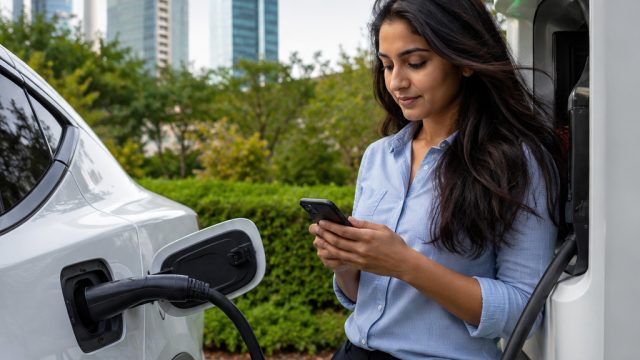
As the world increasingly prioritizes sustainability, India is aggressively pursuing its electric vehicle (EV) revolution. The government has set ambitious targets to transition to cleaner transportation, yet the challenge of adequate charging infrastructure looms large. In this dynamic environment, understanding the current landscape of EVs in India—along with the hurdles in charging capabilities—is crucial.
Current State of Electric Vehicles in India
India's endeavor toward electric mobility has gained significant momentum in recent years, with both governmental and private sectors investing heavily in the development of electric vehicles. As of 2023, the Indian government aims to have a substantial percentage of all vehicles on the road be electric by the end of the decade. Popular manufacturers are launching new models that attract a broad consumer base, making EVs more appealing.
Government Initiatives and Policies
The Indian government has enacted several policies to bolster EV adoption, such as the Faster Adoption and Manufacturing of Electric Vehicles (FAME) scheme, which provides incentives for EV buyers and manufacturers. Moreover, state governments are also offering their own subsidies and incentives to stimulate the market further, such as reduced registration fees and tax exemptions.
The Charging Infrastructure Gap
Despite the progress in vehicle production, the lack of sufficient charging stations presents a significant obstacle. Currently, India is estimated to have a fraction of the charging points required to support its growing fleet of electric vehicles. This deficiency raises concerns among potential buyers, who often view limited charging infrastructure as a barrier to making the switch to electric.
Current Statistics and Projections
- As of 2023, India has less than 5,000 public EV charging stations.
- By 2030, experts predict the need for over 400,000 charging points to meet consumer demand.
- Many cities still lack basic facilities, making it challenging for EV owners to find convenient charging options.
Innovative Solutions to Enhance EV Charging
To address these challenges, various stakeholders are exploring innovative solutions that could redefine the charging landscape in India. From smart charging stations to mobile apps that help locate chargers, the future looks promising.
Smart Charging Technologies
Smart charging technology allows for efficient energy usage and can be integrated with renewable energy sources. By using grid management systems, these stations can optimize charging times and reduce pressure on the grid during peak hours.
Public-Private Partnerships
Collaborations between public entities and private companies are becoming increasingly common. Such partnerships can expedite the installation of charging stations, ensuring that they are strategically placed in urban areas and along highways.
Consumer Awareness and Adoption
Alongside infrastructure improvements, increasing consumer awareness is vital to boost EV adoption. Educational campaigns that inform potential buyers about the benefits of electric vehicles—like lower running costs and tax incentives—can greatly influence buying decisions.
Engagement through Digital Platforms
Digital platforms have emerged as effective tools for educating consumers. Websites and mobile applications can provide resources on EV benefits, charging locations, and even financial incentives available in different regions.
Conclusion: The Road Ahead
The transition to electric vehicles is not merely a trend; it is a critical shift towards sustainable living. While India has made significant strides in promoting electric mobility, the pathway ahead is filled with challenges, particularly concerning charging infrastructure. Collaborations between government, industry, and consumers will be pivotal to overcoming these hurdles. By investing in robust charging networks and fostering public awareness, India can transform its transportation system and lead the charge towards a greener future. Now is the time for stakeholders to come together and ensure the success of India's electric vehicle revolution.
