





Key Takeaways
- The UN projects significant climate disruptions due to El Niño.
- July 2023 marked the hottest month recorded globally.
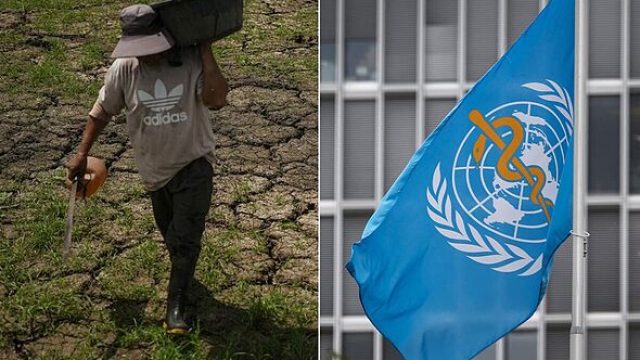
- Extreme weather events could affect agriculture and water supply.
- Southeast Asia faces heightened risks of drought and food insecurity.
- Immediate actions are essential to mitigate the long-term impacts.
Understanding El Niño and Its Implications
In recent months, the United Nations has expressed grave concerns over the strengthening El Niño phenomenon. As global temperatures reached alarming levels, July 2023 was documented as the hottest month in recorded history. This climatic event is not merely a seasonal fluctuation; it represents a significant disruption to global weather patterns with far-reaching consequences.
What is El Niño?
El Niño is a recurring climate pattern characterized by warmer ocean temperatures in the central and eastern Pacific. This phenomenon disrupts normal weather patterns, leading to widespread climatic changes that can result in extreme weather conditions such as hurricanes, droughts, and floods. The current El Niño is forecasted to be particularly severe, raising red flags for many regions, especially in Southeast Asia.
The Immediate Impact on Southeast Asia
Countries in Southeast Asia, particularly Indonesia, are poised to experience significant effects as a result of the escalating El Niño. Regions like Jakarta, Surabaya, and Bali face increased risks of drought, impacting agriculture, water resources, and overall economic stability.
Potential Economic Consequences
The economic ramifications of prolonged drought conditions can be dire. As farmers struggle with water scarcity, crop yields are likely to decline, leading to higher food prices and increased risks of food insecurity. The reliance on agriculture in Indonesia—where nearly 30% of the workforce is employed in this sector—makes these warnings particularly pressing.
Preparedness and Adaptation Strategies
In response to the UN's alarming projections, governments and organizations must prioritize climate resilience measures. These include:
- Investing in water conservation technologies.
- Implementing sustainable agricultural practices.
- Enhancing emergency response systems for natural disasters.
- Improving infrastructure to withstand extreme weather conditions.
Global Implications Beyond Southeast Asia
The effects of El Niño will not be confined to Southeast Asia; they will ripple across the globe. As agricultural productivity fluctuates and water scarcity becomes more pronounced, economies worldwide may face inflation and instability. Food supply chains could be further strained, leading to higher costs for consumers and hindering economic growth.
Call for International Cooperation
Addressing the challenges posed by El Niño requires not just local action but also international collaboration. Countries must share data, resources, and strategies to combat climate change's effects effectively. Initiatives such as the ASEAN Climate Change Initiative are crucial in fostering dialogue and cooperation among member nations.
Conclusion: The Time to Act is Now
The UN's warning regarding the potential impacts of a strong El Niño serves as a wake-up call for all nations. From Southeast Asia to the Americas, the effects will be felt widely and deeply. By recognizing the urgent need for action and implementing adaptive measures, countries can better navigate the impending climate challenges. The time for proactive solutions is now; our collective future depends on it.
