





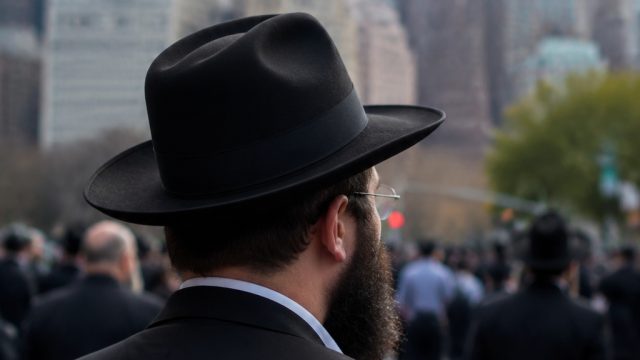
As New York gears up for its upcoming elections, a significant shift in the political landscape has caught the attention of the Jewish community. Recent primary results have revealed that candidates backed by progressive factions, specifically those aligned with Mayor Zohran Mamdani, have gained traction, prompting both concern and celebration among various community leaders.
Progressive Candidates Make Waves
Three candidates in particular have emerged victorious in the primaries, advocating for a platform that diverges from traditional pro-Israel stances. This development raises critical questions about the future political direction of the Jewish community in New York. Pro-Israel organizations are voicing alarm, viewing this trend as a potential threat to long-standing alliances and support structures.
Concerns Among Pro-Israel Leaders
- Pro-Israel leaders argue that these election outcomes may signal a growing disconnect between mainstream Jewish sentiment and the progressive political agenda.
- There is anxiety over the implications for policy-making on issues concerning Israel, as these candidates may favor a more critical stance.
- Concerns also revolve around the potential impact on funding and support for Jewish organizations that rely heavily on political advocacy.
Progressives Celebrate a New Era
On the flip side, progressive Jewish groups see this electoral outcome as a victory for a more inclusive and nuanced conversation about Israel and its policies. They argue that the traditional pro-Israel narrative is overly simplistic and does not accurately reflect the diverse opinions within the Jewish community.
Highlights of the Progressive Argument
- Advocates believe that a new perspective is necessary to address the complexities of the Israeli-Palestinian conflict.
- They emphasize the importance of dialogue that includes dissenting voices within the Jewish community.
- Many are calling for a shift towards social justice-oriented policies that resonate with younger voters.
The Broader Implications for Jewish Leadership
This electoral shift not only challenges existing leadership but also compels Jewish organizations to reevaluate their strategies and alignments. As the community grapples with these changes, key questions arise about representation and future directions.
Strategic Responses from Jewish Organizations
- Organizations may need to broaden their outreach to engage younger and more progressive constituents.
- Fostering dialogue among different factions within the community could facilitate understanding and collaboration.
- Exploring alliances with other social justice movements may enhance the relevance of Jewish advocacy.
Conclusion: Navigating Future Challenges
The recent primary elections in New York reflect a microcosm of broader societal shifts, where diverse voices within the Jewish community are increasingly challenging the status quo. As both progressive and traditional leaders navigate this evolving landscape, it is essential for the community to foster dialogue and collaboration. The outcomes of these elections not only influence local policies but may also reshape the narrative surrounding Jewish identity and advocacy on the global stage.
