





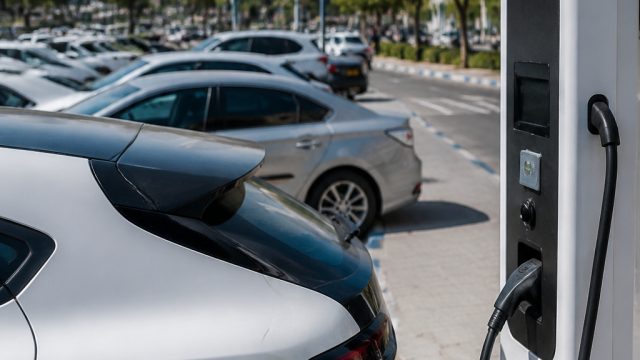
The electric vehicle (EV) transition in Israel is at a critical juncture. As the world moves towards sustainable energy solutions, Israel's EV adoption is being hampered by a significant shortfall in charging infrastructure. This pressing issue demands immediate attention, as it not only affects individual consumers but also the broader vision of a greener future for the nation.
The Current State of EV Adoption in Israel
Israel has made strides in promoting electric vehicles, recognizing their potential to reduce carbon emissions and dependence on fossil fuels. According to recent statistics, the number of EVs on Israeli roads has increased dramatically in recent years, reflecting a growing consumer demand for cleaner alternatives.
Challenges Faced by EV Owners
Despite the rising popularity of electric vehicles, many potential buyers are hesitant due to a lack of charging options. Here are some key challenges:
- Insufficient Charging Stations: Many cities across Israel are struggling to keep up with the demand for EV charging infrastructure, resulting in long wait times for available stations.
- Geographical Disparities: While urban areas may have a few chargers, rural regions are often severely underserved, limiting the feasibility of EV ownership.
- Public Awareness: A lack of information about charging locations and technologies further complicates the decision-making process for potential EV owners.
The Urgency for Sustainable Solutions
The need for a robust EV charging network is more pressing than ever. With climate change becoming an increasingly urgent global issue, countries like Israel must prioritize the development of eco-friendly infrastructure. Here’s why this matters right now:
Economic Impact
Investing in charging infrastructure can stimulate the economy by creating jobs and encouraging the growth of green technology sectors. A decline in fossil fuel dependency could also lead to significant savings in energy costs for consumers.
Environmental Benefits
Transitioning to electric vehicles is a key strategy in reducing greenhouse gas emissions. Improved charging infrastructure will support this shift, making it easier for residents to choose EVs over traditional vehicles.
Technological Innovation
As charging technology evolves, the potential for faster and more efficient charging solutions increases. This could transform the driving experience for EV owners, making it more convenient and appealing.
What Can Be Done?
To address the charging shortfall, a collaborative approach is essential. Here are some actionable steps that stakeholders can consider:
- Government Incentives: The Israeli government should provide incentives for private companies and municipalities to invest in EV charging stations.
- Public-Private Partnerships: Establishing partnerships between public entities and private developers can lead to faster and more efficient infrastructure deployment.
- Community Engagement: Raising awareness through community initiatives and educational programs can help increase public acceptance and usage of EVs.
Conclusion: The Path Forward
Israel's transition to electric vehicles is crucial for a sustainable future. However, without addressing the current shortcomings in charging infrastructure, the nation risks falling behind in the global move towards cleaner energy solutions. Immediate action, combined with innovative thinking and collaboration, can pave the way for a successful EV revolution in Israel. The time to act is now — for a cleaner, greener, and more sustainable tomorrow.
