





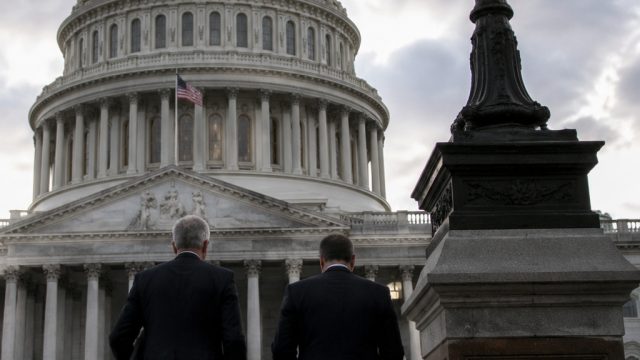
The U.S. Senate has made headlines recently by passing a resolution aimed at limiting military actions against Iran. This significant decision reflects a crucial shift in the legislative stance on foreign policy, particularly relating to escalation of conflict in the Middle East. As tensions rise in global affairs, understanding the implications of this resolution is more important than ever.
The Context Behind the Resolution
The resolution, which has garnered bipartisan support, seeks to curtail the president's military powers regarding Iran. This move represents a rare rebuke of the current administration’s foreign policy, particularly in regard to the ongoing tensions between the U.S. and Iran. The Senate's action echoes increasing concerns among lawmakers about the potential for unnecessary military conflict.
Reasons for Concern
- Escalating Military Engagement: The U.S. has been involved in various military operations in the region, raising fears of another prolonged conflict.
- Humanitarian Implications: Military actions tend to exacerbate humanitarian crises, affecting civilians caught in the crossfire.
- Diplomatic Relationships: Ongoing hostilities can damage long-term diplomatic relations not only with Iran but with other nations interested in peace.
The Senate's Perspective
Lawmakers have expressed their commitment to finding diplomatic solutions rather than resorting to military force. The Senate resolution sends a strong message about prioritizing dialogue over aggression. This represents a fundamental shift in how U.S. foreign policy could evolve under the current administration.
Bipartisan Support
It's noteworthy that the resolution received votes from both sides of the aisle, showcasing a collective concern about unchecked military power. This includes:
- Democratic Senators advocating for peace and diplomacy.
- Republican Senators acknowledging the risks of military engagement.
This bipartisan approach highlights the growing public sentiment favoring peace and caution in military interventions.
Reactions from the Administration
In response to the Senate's move, the administration has reported mixed feelings. While some officials support a more measured approach to Iran, others emphasize the need for a strong stance against threats. President Trump, in particular, has been vocal about his previous commitments to taking a hard line on Iran’s nuclear ambitions.
Possible Outcomes
The passage of this resolution could lead to various outcomes:
- Increased Diplomatic Engagement: A shift towards negotiation rather than confrontation.
- Potential Pushback: The administration may continue to pursue military options despite the Senate's resolution.
- Public Support for Peace Initiatives: A rise in public advocacy for peaceful resolutions could influence future policies.
The Bigger Picture
This legislative action is not just about Iran; it reflects broader themes in U.S. foreign policy, such as the role of Congress in military engagement, the importance of diplomacy, and the evolving nature of international relations. With an increasingly interconnected world, it's essential to consider how these decisions impact global stability.
Broader Implications
As various stakeholders analyze the potential outcomes of the Senate's resolution, it is crucial to keep in mind:
- The impact on U.S. strategic alliances in the Middle East.
- The potential for renewed talks on nuclear agreements.
- Public opinion and its role in shaping future foreign policy.
Conclusion
The Senate’s recent decision to limit military action against Iran serves as a pivotal moment in U.S. politics, reflecting a growing recognition of the need for peaceful resolutions to conflicts. As we move forward, it’s vital for both lawmakers and citizens to remain engaged in discussions about foreign policy, ensuring that the focus remains on diplomacy and constructive engagement rather than military confrontation.
