





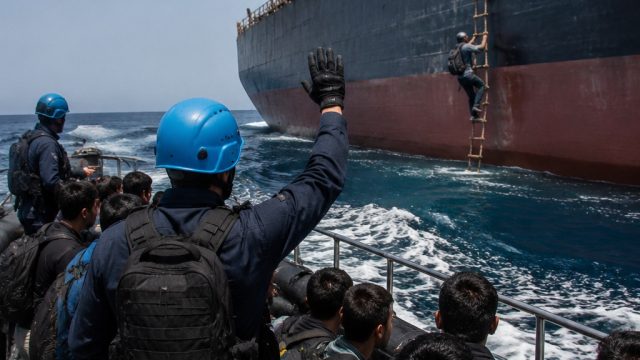
In a significant humanitarian effort, the United Nations has announced a comprehensive evacuation plan for approximately 11,000 sailors stranded in the Strait of Hormuz. This development comes as maritime traffic has faced unprecedented disruptions, leaving countless personnel and cargo at risk.
The Context of the Crisis
The Strait of Hormuz, a crucial maritime corridor that connects the Persian Gulf with the Arabian Sea, has recently become a focal point of political and economic tensions. Ongoing geopolitical issues have led to a virtual standstill in maritime operations, affecting not just sailors but also international shipping routes and trade.
Pandemic of Disruptions
The predicament faced by these sailors is exacerbated by the cumulative effects of supply chain disruptions linked to the global pandemic. As shipping delays continue to mount, vessels remain trapped in a bottleneck, with many unable to offload goods or return to port. Reports indicate that nearly 1,200 cargo ships are currently immobilized, containing goods valued at approximately $125 billion.
UN's Response and Evacuation Strategy
The UN's evacuation operation is expected to begin imminently, signaling an urgent response to an escalating crisis. The organization has coordinated with multiple maritime bodies to devise a strategic plan aimed at ensuring the safety and well-being of the stranded sailors.
Key Elements of the Evacuation Plan
- Safety Protocols: The UN is prioritizing the health and safety of evacuees, implementing stringent health measures to prevent the spread of illness.
- Transportation Logistics: Multiple vessels and helicopters will be deployed to facilitate quick and efficient transportation of sailors to safety.
- Collaboration with Local Authorities: The UN is working closely with regional governments to ensure smooth operations during the evacuation process.
Importance of the Situation
This urgent evacuation highlights the broader implications of maritime security and international relations. The Strait of Hormuz is not only a vital shipping lane but also a geopolitical hotspot. The delays and disruptions in this area reflect the fragile state of global trade and the importance of maintaining safe navigation routes.
Potential Economic Impact
As the situation unfolds, the economic ramifications could be far-reaching. With shipping costs already spiraling due to delays, any prolonged immobilization of ships could lead to increased prices for consumers worldwide. It's essential to monitor how this evacuation might influence future trade policies and maritime operations.
Looking Ahead
The impending evacuation represents a critical moment for the sailors involved and highlights the necessity for sustainable solutions to maritime conflicts. The UN’s proactive approach may serve as a blueprint for addressing future crises in high-risk areas.
Conclusion
As the international community watches closely, the evacuation of these sailors will not only save lives but also serves as a reminder of the importance of maritime safety and collaboration. It’s crucial for stakeholders worldwide to prepare for the ongoing impacts of this crisis and advocate for policies that promote safe and open waters for all.
