





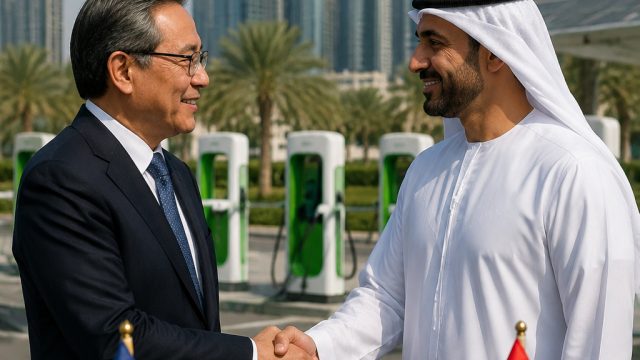
In an era marked by geopolitical changes and economic evolution, Malaysia has signaled its openness to strengthen strategic collaborations with the United Arab Emirates (UAE). This partnership aims to tap into high-potential sectors such as energy and technology, reflecting both nations’ commitment to evolving their economic landscapes. This development is particularly significant as countries worldwide shift towards sustainable energy solutions and digital advancements.
Emerging Economic Synergies
The recent statements by Malaysia's Ministry of International Trade and Industry (MITI) highlight the nation’s readiness to enhance bilateral ties with the UAE. This collaboration is expected to focus on various sectors, including petroleum, renewable energy, and technological innovation. As the UAE continues to diversify its economy away from oil dependency, Malaysia emerges as a strategic partner in harnessing these transitions.
Focus on the Energy Sector
Energy remains a key area of interest for both countries. The UAE has been actively investing in sustainable energy projects, positioning itself as a leader in clean technology. Meanwhile, Malaysia, rich in natural resources, seeks to optimize its energy production capabilities. The partnership could lead to initiatives such as:
- Joint ventures in renewable energy projects.
- Research and development collaborations in energy technology.
- Knowledge sharing for sustainable practices in resource management.
Technological Advancements and Digital Economy
Another critical aspect of the Malaysia-UAE partnership is the potential for technological advancement. Both nations have been investing heavily in their digital economies, recognizing the importance of technology in driving future growth. By collaborating, Malaysia and the UAE can:
- Enhance infrastructure through shared technology initiatives.
- Develop smart city projects that optimize urban living.
- Foster innovation ecosystems that attract global talent.
Investment Climate and Opportunities
The willingness to collaborate opens a gateway of opportunities for investors. Malaysia's strategic location in Southeast Asia makes it an attractive hub for trade, while the UAE serves as a bridge to the Middle East and beyond. This partnership could lead to:
- Increased foreign direct investment (FDI) flows between the two nations.
- Access to a combined market of over 400 million consumers.
- Joint economic forums and trade missions to explore new ventures.
Challenges and Considerations
Despite the promising outlook, several challenges must be addressed to ensure the success of this partnership. These include:
- Regulatory alignment between the two countries' business practices.
- Addressing cultural differences that may impact collaboration.
- Navigating the competitive landscape in the global market.
By tackling these issues head-on, Malaysia and the UAE can create a robust framework that fosters sustainable and mutually beneficial economic growth.
Conclusion: A Vision for the Future
The strategic partnership between Malaysia and the UAE comes at a pivotal time, as both nations strive to redefine their economic frameworks in a rapidly changing world. By focusing on energy, technology, and investment opportunities, they not only enhance their bilateral relations but also contribute to broader global sustainability goals. As they embark on this journey, the international community will undoubtedly watch closely, marking this partnership as a significant step towards collaborative economic development.
