





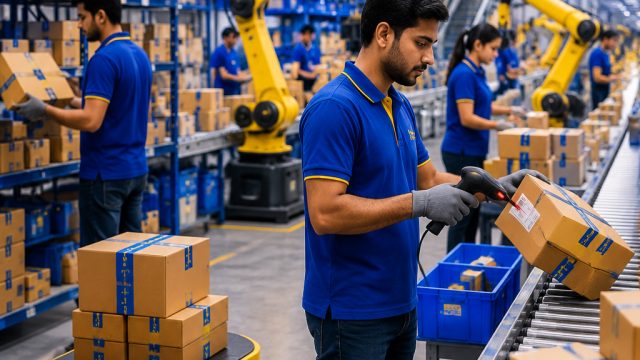
In the fast-evolving landscape of e-commerce in India, Flipkart, a prominent player backed by Walmart, has made significant strides in enhancing its micro-fulfillment capabilities. Recently, the company announced the establishment of over 1,000 micro-fulfillment centers across the country. This expansion comes at a critical moment as Amazon intensifies its efforts in the quick-commerce sector, aiming to capture a significant share of the market.
Understanding Micro-Fulfillment
The concept of micro-fulfillment involves setting up small distribution centers closer to urban areas, allowing retailers to deliver products to consumers in a fraction of the time traditional methods require. This strategy not only improves delivery speed but also enhances customer satisfaction, which is increasingly important in today’s competitive market.
Why Flipkart's Move Matters Now
- Consumer Demand: The demand for rapid delivery services has surged, particularly since the pandemic, with consumers expecting their orders to arrive within hours.
- Increased Competition: With Amazon aggressively expanding its quick-commerce offerings, Flipkart’s initiative is a strategic response to maintain its foothold in the Indian market.
- Technological Integration: Flipkart is leveraging advanced technologies in logistics and supply chain management, ensuring that it can meet the high expectations of its customers.
Key Features of Flipkart's Strategy
Flipkart's approach to micro-fulfillment is multifaceted, incorporating various elements to enhance its operational efficiency:
- Data-Driven Insights: Using analytics to track customer preferences and optimize inventory at micro-fulfillment centers.
- Local Partnerships: Collaborating with local businesses to streamline delivery processes and improve service.
- Innovative Technology: Implementing automation and AI to enhance the efficiency of order processing and fulfillment.
Impact on the E-Commerce Landscape
The expansion of Flipkart's micro-fulfillment network not only benefits the company but also impacts the broader e-commerce landscape in India:
- Job Creation: This initiative is expected to create thousands of jobs in the logistics and supply chain sectors.
- Consumer Benefits: Shoppers are likely to experience faster delivery times, better product availability, and improved overall service.
- Market Dynamics: This move could lead to a more competitive environment, pushing other players to innovate and enhance their offerings.
Amazon's Response
As Flipkart ramps up its efforts, Amazon is not remaining idle. The tech giant is also expanding its own quick-commerce services, focusing on reducing delivery times and enhancing customer experience:
- Investment in Infrastructure: Amazon continues to invest heavily in logistics and technology to streamline its operations in India.
- Customer-Centric Innovations: Introducing new features like one-hour delivery options for specific items to meet consumer expectations.
- Competing Offers: Amazon may also introduce promotional offers to attract new customers, keeping the competition fierce.
Conclusion
Flipkart's recent expansion of its micro-fulfillment network is a pivotal move in the ongoing battle for e-commerce supremacy in India. As the company continues to innovate and adapt to changing consumer preferences, its strategic initiatives will likely set new benchmarks in the industry. With Amazon also enhancing its quick-commerce capabilities, the competition is expected to intensify, ultimately benefiting consumers through improved service and faster delivery times. As these developments unfold, it will be crucial for stakeholders to keep an eye on how these corporate strategies will shape the future of e-commerce in one of the world's largest markets.
