





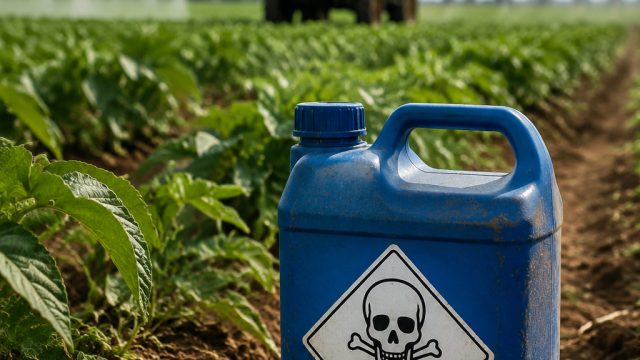
Australia Upholds Paraquat Use Amid Global Safety Concerns
The ongoing debate surrounding the herbicide paraquat has reached a pivotal moment in Australia. Despite widespread bans on this chemical in over 70 countries, Australian regulators have decided to allow its continued use, raising questions about agricultural safety and public health. This decision comes as multiple health organizations warn of a potential link between paraquat exposure and Parkinson's disease, a neurodegenerative condition that significantly impacts quality of life.
The Decision Explained
On Tuesday, the Australian Pesticides and Veterinary Medicines Authority (APVMA) announced that paraquat would remain legal, albeit with new restrictions. The authority has emphasized that enhanced regulations, such as phasing out the use of backpack sprayers, will mitigate risks to agricultural workers. This move aims to balance the needs of farmers with the health concerns raised by medical professionals and advocacy groups.
Historical Context of Paraquat
Paraquat has been a mainstay in agricultural practices since its introduction in the 1960s. Initially lauded for its effectiveness, it has come under scrutiny over the years due to its toxic properties. Researchers have consistently linked the herbicide to severe health issues, leading to its ban in numerous countries.
Health Risks and Scientific Evidence
The connection between paraquat and Parkinson's disease has been the focal point of many studies. Recent research suggests that exposure to paraquat may significantly increase the risk of developing this debilitating condition.
- Long-term exposure poses serious health risks.
- Studies show an alarming correlation with Parkinson's disease.
- Health groups are advocating for stricter regulations.
Implications for Farmers
While the Australian government believes that the new measures will ensure safety, many farmers are concerned about the impact of these restrictions on their productivity. Paraquat is a popular choice due to its effectiveness in weed management, and its continued availability is seen as essential for maintaining crop yields.
Balancing Safety and Agricultural Needs
The challenge lies in finding a balance between agricultural productivity and the health of workers and consumers.
- Farmers argue that alternatives may not be as effective.
- Potential economic implications could arise from stricter regulations.
- Education on safe usage practices will be crucial.
Public Health Concerns
Health organizations have expressed their dismay at the APVMA's decision. They argue that allowing paraquat to remain on the market, even under tightened regulations, poses a risk to public health, especially in rural communities where exposure may be more prevalent.
Community Engagement and Advocacy
As the debate continues, many communities are mobilizing to demand a re-evaluation of paraquat's safety. Advocacy groups are pushing for more research into its health impacts and are calling for a complete ban in line with international trends.
Looking Forward
As Australia navigates this complex issue, the implications of this decision will resonate throughout the agricultural sector and beyond. The APVMA's stance reflects the ongoing tension between agricultural needs and health concerns, underscoring the necessity for continued dialogue and research.
The Future of Agricultural Chemicals
This decision may set a precedent for how other countries approach chemical regulation, opening the door for broader discussions on agricultural safety, health impacts, and environmental sustainability.
In conclusion, while the Australian government insists on the safety of paraquat with new regulations, the controversy surrounding its use remains unresolved. Farmers, health professionals, and lawmakers must work together to ensure that agricultural practices do not compromise public health.
