





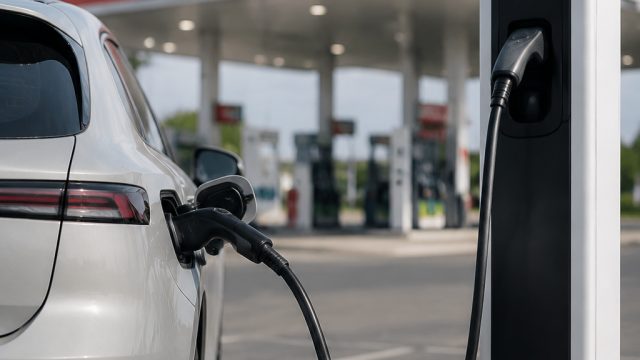
Rising Fuel Costs Accelerate EV Adoption Amid Charging Network Challenges
The current surge in fuel prices is notably impacting consumer behavior, especially in the automotive sector. With the cost of gasoline climbing, many consumers are shifting their focus toward electric vehicles (EVs) as a long-term solution to rising fuel expenses. This trend is particularly evident in the rapidly expanding EV market in China, which continues to break sales records even as concerns about the adequacy of charging infrastructure grow.
High Fuel Prices Drive Consumers to EV Options
As fuel prices reach unprecedented heights, consumers are increasingly considering the financial benefits of making the switch to electric vehicles. The growing demand for EVs showcases a significant shift in consumer priorities, reflecting a broader understanding of the long-term savings associated with electric mobility. According to recent reports, the sales of electric vehicles in China have surged, with many consumers opting for EVs not just for environmental reasons, but as a cost-effective alternative to traditional gasoline-powered cars.
Cost-Savings in the Face of Inflation
- Reduced fuel costs for EV owners.
- Government incentives encouraging the purchase of electric vehicles.
- Long-term savings on maintenance and operational costs.
With inflation affecting everyday expenses, the ability to save on fuel is an attractive prospect for many households. This financial incentive, coupled with increasing awareness of the environmental impacts of fossil fuels, has propelled the electric vehicle industry into the spotlight.
Challenges in the EV Charging Network
Despite the growing enthusiasm for electric vehicles, the charging infrastructure is not keeping pace with demand. Many consumers express concerns about the availability of reliable charging stations, which can deter potential buyers from making the switch to electric. This gap in charging infrastructure poses a significant challenge for EV adoption.
Infrastructure Strain Amid Growing Demand
The rapid increase in EV sales points to a need for substantial investments in charging solutions. Current charging infrastructures often fall short in several key areas:
- Insufficient Charging Stations: Many urban and rural areas lack adequate charging facilities, making it difficult for EV owners to charge their vehicles conveniently.
- Charging Speed: Slow charging times can be a deterrent for potential EV owners who are concerned about the inconvenience of long waits.
- Maintenance and Reliability: Existing charging stations often experience outages or technical issues, further complicating the charging experience.
Addressing these challenges is vital for sustaining the momentum gained from rising EV sales. Industry stakeholders must collaborate to enhance charging networks, ensuring that they meet the increasing demand from consumers eager to transition to electric mobility.
The Future of EVs and Charging Solutions
As the electric vehicle market continues to evolve, there is a pressing need for innovative solutions to charge infrastructure challenges. The adoption of new technologies and investment in renewable energy sources could streamline the charging process and provide consumers with reliable access to charging stations.
Innovative Approaches to Charging
Several companies are exploring creative solutions to improve the EV charging landscape:
- Fast-Charging Stations: The development of ultra-fast chargers that can significantly reduce charging times.
- Smart Grid Integration: Utilizing smart grid technology to optimize energy distribution and create a more efficient charging network.
- Home Charging Solutions: Encouraging the installation of home charging systems that allow EV owners to charge their vehicles overnight.
These initiatives not only aim to enhance consumer convenience but also promote the use of renewable energy, thus making electric vehicles a more sustainable choice. By investing in innovative charging solutions, the industry can address current gaps and facilitate a smoother transition to electric mobility.
Conclusion: Seizing the Moment for Sustainable Change
The convergence of rising fuel prices and the increasing demand for electric vehicles presents a unique opportunity for both consumers and the automotive industry. While challenges in charging infrastructure remain, addressing these issues head-on can lead to a more sustainable and accessible future for electric mobility. Companies, regulators, and consumers alike must work together to build a robust charging network that supports the transition to electric vehicles and helps mitigate the reliance on fossil fuels.
As we move forward, staying informed about advancements in EV technology and supporting initiatives to enhance charging infrastructure will be crucial. Embracing this shift not only signifies a change in consumer behavior but also a commitment to a greener, more sustainable planet.
