





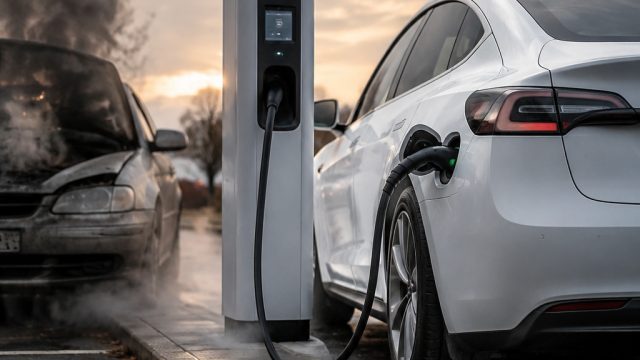
The Rapid Decline of Internal Combustion Engine Car Advantages
As electric vehicles (EVs) continue to surge in popularity, the advantages once held by traditional gas-powered cars are quickly diminishing. In 2023, the automotive landscape is undergoing a significant transformation, driven by innovation and a growing commitment to sustainability. This article explores the pivotal shifts occurring within the car industry and why they matter more than ever.
The Evolving Landscape of Transportation
Consumer preferences are evolving alongside technological advancements, making electric vehicles an increasingly appealing option. This shift isn't merely about being eco-friendly; it encompasses performance, convenience, and cost-effectiveness. Here’s how these factors are reshaping the market:
- Performance Improvements: Modern electric cars offer impressive acceleration and handling, rivalling their gas counterparts.
- Cost Efficiency: With the total cost of ownership for EVs dropping, they are becoming more budget-friendly in the long run.
- Reduced Maintenance: Fewer moving parts in EVs lead to lower maintenance costs compared to gasoline vehicles.
Charging Infrastructure Expansion
As battery technology continues to improve, so does the availability of charging stations. This expansion is crucial for the growth of electric vehicles, as it addresses one of the major concerns of potential buyers: range anxiety. Recent data indicates that the number of public charging stations has increased significantly over the past few years, making EV ownership more feasible for everyone.
Government Initiatives and Incentives
Government policies are playing a pivotal role in accelerating the transition to electric vehicles. From tax credits to subsidies for EV buyers, incentives are making electric cars more financially attractive. These initiatives not only promote environmental sustainability but also encourage the development of new technologies within the automotive sector.
Examples of Government Support
- Tax Credits: Many countries offer financial incentives to EV purchasers, reducing the upfront costs.
- Emission Regulations: Stricter regulations on emissions are pushing manufacturers to innovate and shift towards electric options.
- Research Funding: Increased funding for research into battery technology is paving the way for longer-lasting, more efficient batteries.
Consumer Awareness and Environmental Impact
The growing awareness of climate change and its effects is prompting consumers to consider their vehicle choices more carefully. Many potential car buyers are now prioritizing vehicles that contribute to a lower carbon footprint. This shift in consumer mindset is vital for the automotive industry, as manufacturers must adapt to meet these new expectations.
Electric Vehicles and Carbon Footprint Reduction
Switching to electric vehicles can significantly reduce greenhouse gas emissions, especially when paired with renewable energy sources. This aspect is critical as society strives to combat climate change on multiple fronts. The potential for cleaner transportation is not just beneficial for the environment but also an economic opportunity for businesses invested in sustainable practices.
Conclusion: Embracing the Future of Transportation
The decline of the advantages once held by gas-powered vehicles signals a pivotal moment in the automotive industry. As consumer preferences shift towards electric and sustainable solutions, the landscape is ripe for innovation and growth. Embracing electric vehicles is not just a trend; it represents a necessary evolution in how we think about transportation and its impact on our planet. The time to consider making the switch to an electric vehicle is now, and those who join the movement will not only benefit from technological advancements but also contribute to a more sustainable future.
