





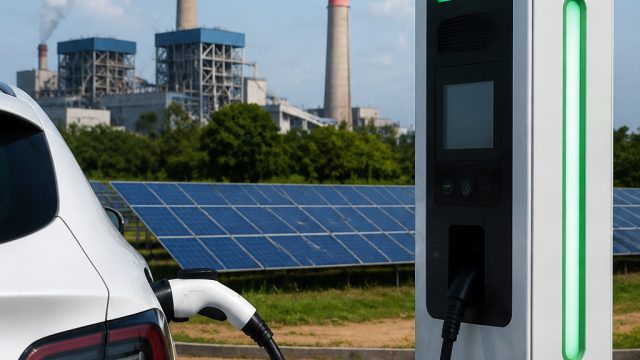
As the demand for reliable energy sources in India escalates, the country is witnessing significant transformations in its energy sector. With ambitious goals for renewable energy integration and aggressive capacity expansions, 2023 marks a crucial year for investors and stakeholders within this arena. This article delves into the driving factors behind India's burgeoning energy needs and the subsequent market shifts.
The Surge in Energy Demand
India's economic growth has been remarkable, leading to a substantial increase in energy consumption. Urbanization, industrialization, and a rising population are pivotal factors propelling this demand. According to recent forecasts, energy consumption in India is expected to double by 2040, making it one of the largest energy markets globally.
Key Drivers of Energy Demand
- Urbanization: As more people flock to cities for job opportunities, the need for energy in residential and commercial sectors increases.
- Industrial Growth: The manufacturing and technology sectors are on the rise, resulting in higher energy requirements.
- Electrification of Transportation: The government’s push for electric vehicles (EVs) and infrastructure development is creating new energy demands.
Capacity Expansion Initiatives
In response to the rising energy demand, various initiatives aimed at expanding capacity are being implemented. The Indian government has set ambitious targets for renewable energy production, aiming for 500 GW by 2030. This shift is vital, not only for meeting demand but also for enhancing energy security and reducing carbon emissions.
Renewable Energy Developments
Renewable energy sources like solar and wind are leading the charge in India’s energy evolution. The government has introduced numerous policies to encourage the adoption of renewables, making it an attractive market for both domestic and international investors.
Investment Opportunities
Investors looking to capitalize on this booming market should consider the following:
- Solar Energy Projects: With abundant sunlight, solar projects are increasingly viable.
- Wind Farms: Wind energy is a growing sector, especially in coastal regions.
- Energy Storage Solutions: As renewable energy expands, efficient storage systems become necessary.
Challenges in the Energy Landscape
While the opportunities in India's energy sector are vast, several challenges remain that could impede progress. Infrastructure development, regulatory hurdles, and resource allocation need continuous attention and improvement.
Addressing Infrastructure Gaps
To support the anticipated growth in energy consumption, significant investments in grid infrastructure are required. The existing grid must be modernized and expanded to handle the influx of renewable energy.
Regulatory Framework
For investors, understanding the regulatory landscape is crucial. The government is working on creating a more conducive environment for investment, but navigating policies can be complex.
Conclusion: The Future Looks Bright
As India confronts the challenge of rising energy demand, the commitment to renewable energy and infrastructure development sets the stage for a transformative era in its energy sector. Investors and stakeholders should stay informed and ready to adapt to emerging opportunities in this dynamic market. The transition towards sustainable energy is not just an environmental necessity but a lucrative business avenue in today's fast-evolving landscape.
