





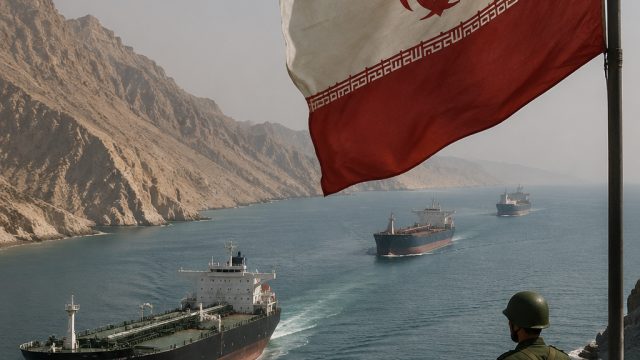
The Strait of Hormuz, a crucial maritime corridor, has recently witnessed a surge in tension as Iran asserts its control over this pivotal waterway. As global shipping traffic continues to increase, analysts are closely monitoring how Iran's decisions will affect international trade routes and energy markets. This article delves into the latest developments in the region and their broader implications.
Recent Developments in the Strait of Hormuz
In recent weeks, there have been conflicting reports regarding Iran's control over the Strait of Hormuz. The Iranian government has signaled that it might close this vital shipping lane, primarily used for transporting oil and gas. Such actions could significantly disrupt trade flows and impact global energy prices.
Increased Shipping Traffic and Rising Tensions
- Shipping traffic through the Strait of Hormuz has steadily increased.
- Iran's recent declarations indicate a potential closure until specific geopolitical conditions are met.
- Global markets are reacting to the uncertainty surrounding maritime safety in this area.
The Geopolitical Landscape in the Middle East
Iran's maneuvers in the Strait are intertwined with broader geopolitical tensions in the Middle East. The nation has long viewed this strategic passage as vital to its national security and economic interests. The ongoing disputes over nuclear monitoring and military presence in the region further complicate the situation.
The Role of Global Powers
International responses to Iran's assertions are mixed. While some nations call for diplomatic resolutions, others prepare for potential military contingencies. The involvement of global powers complicates the dynamics of the region, with each actor having distinct interests.
Economic Implications of Iran's Control
The Strait of Hormuz is a critical artery for approximately 20% of the world's oil and gas supply. Any disruption here could lead to significant fluctuations in energy prices, affecting economies worldwide. As tensions rise, stakeholders must remain vigilant.
Potential Economic Consequences
- Increased energy prices may hit consumers and businesses alike.
- Disruptions in supply chains could lead to shortages in various sectors.
- Investors are wary, leading to volatility in oil markets.
Conclusion: A Call for Vigilance
The current situation in the Strait of Hormuz necessitates close observation by policymakers, businesses, and consumers alike. Iran's recent moves to assert its control over this critical waterway present both challenges and opportunities. As tensions continue to evolve, the global economic landscape may face new hurdles that require proactive strategies and adaptations. Awareness and engagement in these developments are essential for navigating the complexities of international trade amidst rising regional tensions.
