





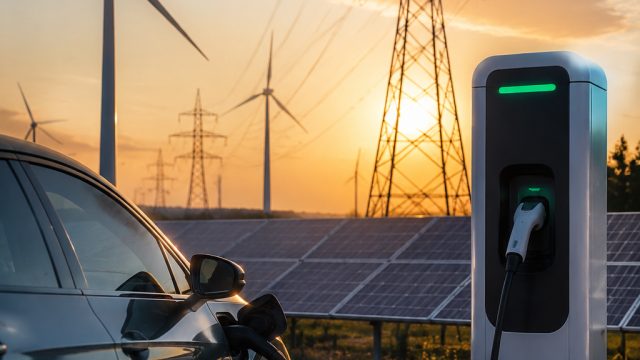
As the demand for electricity continues to rise across Africa, the need for innovative solutions to accelerate electrification has never been more critical. Regional power pools offer a unique opportunity for countries to collaborate and optimize energy resources, paving the way for a sustainable energy future on the continent. With the emergence of advanced technologies and renewed commitments to climate goals, now is the time for stakeholders to focus on these collaborative efforts.
Understanding Regional Power Pools
Regional power pools refer to cooperative agreements among neighboring countries to share energy resources and improve energy security. These alliances facilitate the exchange of electricity, enabling member nations to balance supply and demand effectively. This initiative is especially vital for African nations, many of which face challenges such as limited infrastructure and unequal energy distribution.
The Importance of Cooperation
- Resource Sharing: By pooling resources, countries can tap into diverse energy sources, reducing reliance on fossil fuels.
- Cost Efficiency: Joint investments in infrastructure can lead to lower energy costs for consumers.
- Stability and Security: A coordinated approach enhances energy reliability during peak demands or crises.
Current Initiatives in Africa
Several regional power pools are already in operation across Africa, each with specific goals and strategies. Notable examples include:
Southern African Power Pool (SAPP)
The SAPP is one of the most established arrangements, encompassing 12 member countries. It aims to promote the efficient generation and transmission of electricity, and it has already made significant strides toward regional integration.
East African Power Pool (EAPP)
With the goal of enhancing energy security, the EAPP is focused on developing a unified electricity market. This initiative not only benefits member states but also attracts investments in renewable energy projects.
Barriers to Success
Despite the promise of regional power pools, various challenges threaten their effectiveness. Some of these barriers include:
- Infrastructure Gaps: Many countries lack the necessary infrastructure to support interconnections.
- Regulatory Hurdles: Inconsistent regulations can impede cross-border energy trade.
- Political Instability: Uncertainties in political landscapes can deter investments and collaboration.
Why Now is the Time to Act
The recent global focus on climate change and sustainable energy transitions emphasizes the necessity for Africa to leverage its regional power pools. The continent boasts vast renewable resources like solar and wind energy, which can be harnessed to create a more resilient and sustainable power grid. Collaborative approaches can lead to:
Boosting Energy Access
By working collectively, African nations can significantly increase electricity access for rural and underserved populations, driving economic growth and improving quality of life.
Attracting Investment
International investors are increasingly interested in sustainable energy initiatives. Well-structured regional power pools can present attractive opportunities for funding and development projects.
Fostering Innovation
Collaboration encourages the sharing of technological advances, enabling countries to adopt innovative energy solutions that can enhance efficiency and sustainability.
Conclusion: A Collaborative Future
In conclusion, regional power pools represent a remarkable opportunity for African nations to accelerate electrification and achieve energy independence. By focusing on cooperative strategies, countries can overcome obstacles, harness renewable resources, and significantly improve energy access for all. Now is the time for Africa to embrace these collaborative efforts, setting the stage for a sustainable and electrified future.
