





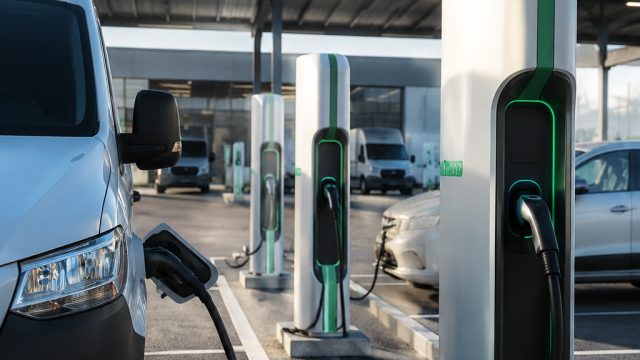
New EV Charging Network Launched to Support Fleet Electrification
In a significant move towards supporting the transition to electric vehicles (EVs), a new commercial EV charging network has been launched, addressing the crucial infrastructure gap for fleet operators. This initiative marks a turning point in how businesses can effectively manage their transition to electrification, making it particularly relevant as the demand for sustainable transport solutions continues to rise.
The Need for Enhanced Charging Infrastructure
As more companies turn towards electrifying their fleets, the lack of adequate charging facilities has become a pressing issue. Many fleet operators face challenges related to the availability and accessibility of charging stations, which can hamper their ability to fully embrace electric solutions. This new charging network aims to remove these barriers, providing a comprehensive solution that meets the needs of various commercial operators.
Why This Matters Now
With the global shift towards sustainability and reduced carbon emissions, the timing of this launch is critical. Fleet operators are now under increasing pressure to cut emissions and contribute to greener initiatives. A robust charging network enables businesses to:
- Reduce operational costs by increasing energy efficiency
- Improve fleet management by providing reliable charging solutions
- Enhance corporate responsibility through sustainable practices
Key Features of the New Charging Network
The newly established network offers several distinct features designed to facilitate a seamless transition to electrification for fleet operators:
- Wide Coverage: The network spans multiple locations, ensuring that fleet vehicles can access charging points conveniently throughout their operational areas.
- Fast Charging Options: Equipped with advanced charging technology, the stations offer rapid charging capabilities to minimize downtime for electric vehicles.
- Integration with Fleet Management Systems: The network is designed to integrate seamlessly with existing fleet management software, allowing for real-time monitoring and usage analytics.
Supporting a Sustainable Future
As we advance towards a more sustainable future, the role of infrastructure in facilitating electric vehicle adoption cannot be overstated. This new network not only supports businesses in making the shift to electric but also contributes to broader environmental goals. By improving charging accessibility, the network encourages the transition to electric vehicles, thereby reducing the carbon footprint associated with traditional fleets.
Impact on Fleet Operators
The introduction of this charging network is expected to have a profound impact on fleet operators across various sectors:
- Logistics and Transportation: Companies in these sectors can capitalize on the network to streamline operations and reduce fuel expenses.
- Public Transport: Electric buses and other public transport vehicles can benefit significantly from the availability of charging infrastructure, enhancing service efficiency.
- Corporate Fleets: Businesses looking to enhance their sustainability ratings can leverage this network to meet their electric vehicle targets.
What Lies Ahead
The launch of this commercial EV charging network is just the beginning. As the demand for electric vehicles continues to grow, further developments in charging technology and infrastructure will be essential. Future expansions could include:
- Increased charging speeds and capabilities
- Introduction of wireless charging options
- Broader partnerships with energy providers for enhanced green energy sourcing
Conclusion
The establishment of this new EV charging network is a crucial step towards supporting the electrification of commercial fleets. With its comprehensive features and strategic intent, it not only meets current market needs but also paves the way for a sustainable future. As more fleet operators embrace electric vehicles, the infrastructure enhancements provided by this network will be instrumental in shaping the future of transport. Businesses looking to stay ahead in this transition should consider integrating their operations with this pioneering network, ensuring they are well-equipped to navigate the evolving landscape of electric mobility.
