





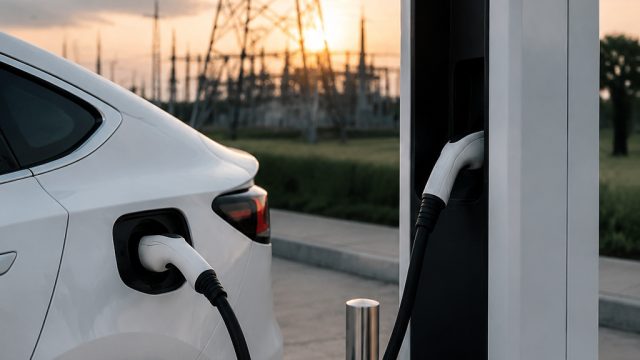
Navigating the Future of EV Charging: Hardware and Grid Considerations
As electric vehicles (EVs) continue to gain traction across the globe, the demand for efficient and reliable EV charging solutions is becoming increasingly critical. In the U.S., two prominent paths have emerged, focusing on hardware advancements and grid load management. This article delves into these developments, highlighting their significance in shaping the future of EV infrastructure.
The Importance of EV Charging Infrastructure
The escalating adoption of electric vehicles signifies a paradigm shift in the automotive industry. However, the growth of EVs necessitates an equally robust charging infrastructure. With millions of new EVs projected to hit the roads in the coming years, understanding the technological innovations and grid dynamics is essential for both consumers and stakeholders.
Hardware Innovations in EV Charging
One critical aspect of advancing EV infrastructure is the improvement of charging hardware. Innovations in charger design and technology are paramount in enhancing the user experience and reducing charging times. Here are some key trends:
- Ultra-Fast Chargers: New ultra-fast charging stations are being developed to reduce the time spent at charging locations significantly. These chargers are capable of delivering a high charge in a short period, making them perfect for highway rest stops.
- Smart Charging Solutions: Incorporating IoT technology, smart chargers can communicate with vehicles to optimize charging times based on energy demand and grid conditions, ensuring efficiency.
- Portable Charging Units: As the need for flexibility grows, advancements in portable charging technologies are being explored, allowing users to charge their vehicles anywhere, anytime.
Grid Load Management: Balancing Demand and Supply
As more EVs come online, the strain on power grids becomes a pressing concern. Effective grid load management is essential to prevent outages and ensure a stable energy supply. Here are some strategies being implemented:
Demand Response Programs
One strategy gaining traction involves demand response programs, which encourage EV owners to charge their vehicles during off-peak hours. Benefits include:
- Reduced strain on the grid during peak usage times.
- Lower electricity costs for consumers by leveraging off-peak rates.
- Enhanced grid stability, making it more resilient against fluctuations.
Integration of Renewable Energy Sources
To support the growing number of EVs, integrating renewable energy sources into the power grid is crucial. By harnessing solar, wind, and other renewable sources, utilities can:
- Provide cleaner energy options for EV charging.
- Reduce dependence on fossil fuels and decrease carbon emissions.
- Enhance overall grid resilience and sustainability.
Why This Matters Now
The urgency of addressing EV charging infrastructure cannot be overstated. As countries aim for carbon neutrality targets, the shift towards electric mobility is pivotal. With EV sales projected to rise significantly, timely investment in charging technologies and grid management solutions is essential for a sustainable future.
Moreover, the recent advances in hardware and grid load management present a unique opportunity for innovation. Stakeholders across industries—including automotive manufacturers, utility companies, and technology providers—must collaborate to develop solutions that meet the needs of a rapidly changing market.
Conclusion
In conclusion, the landscape of EV charging is evolving at an unprecedented pace, with hardware innovations and smart grid solutions playing a pivotal role in this transformation. As we navigate this exciting frontier, staying informed and proactive will be vital for consumers, businesses, and policymakers alike. Embracing these advancements will ensure a smoother transition to a sustainable, electric future, aligning with global efforts to combat climate change and promote green energy solutions.
