





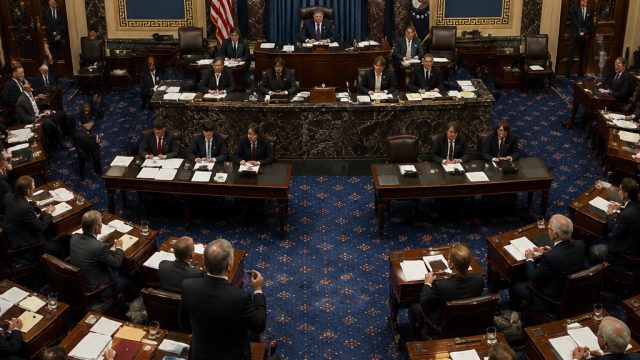
In a significant legislative maneuver, the Senate has voted to impose restrictions on the President's ability to initiate military action against Iran without prior congressional approval. This decisive action, facilitated by Senator Lisa Murkowski, underscores a growing concern regarding presidential powers in military engagements and highlights the ongoing tensions surrounding U.S.-Iran relations.
The Context of the Vote
In recent years, military confrontations with Iran have escalated, raising alarm among lawmakers who fear the implications of unilateral military decisions. The Senate's resolution was born out of a necessity to curb any potential impulsive military actions that could lead to further conflict. This vote sends a clear message: military engagements require the consent and oversight of Congress.
Key Points of the Resolution
- Reinforcement of Congressional Authority: The resolution mandates that any military action against Iran must be sanctioned by Congress, thereby reinstating a crucial check on executive power.
- Prevention of Unwarranted Military Conflicts: By requiring congressional approval, the legislation aims to prevent the potential for a hasty escalation into war.
- Widespread Support: The resolution garnered bipartisan support, reflecting a shared concern across party lines regarding military engagement without legislative oversight.
Why This Matters Now
The timing of this vote is critical. With increasing geopolitical tensions and the unpredictability of international relations, particularly concerning Iran, the Senate's decision reflects a broader trend among lawmakers advocating for more transparency and accountability in military operations. The move is indicative of a legislative body that desires to reassert its constitutional role in waging war.
Broader Implications for U.S. Foreign Policy
This restriction on military power is not just a response to current events but may also shape the future of U.S. foreign relations. Policymakers are recognizing the importance of diplomatic solutions over military options. This resolution can lead to:
- Increased Diplomatic Engagement: By focusing on dialogue rather than military action, the U.S. can strive for peaceful resolutions.
- International Relations Stability: A commitment to congressional approval may help stabilize U.S. relations with allies, who often seek assurance against unilateral military action.
- Public Trust in Government: By involving Congress, the government can foster greater public trust and confidence in its military decisions.
Political Reactions to the Vote
The Senate's resolution has elicited a range of reactions from political figures and commentators alike. Supporters of the measure argue that it is a necessary safeguard against potential overreach by the executive branch. Critics, however, caution that such restrictions could hinder timely responses to emerging threats.
Statements from Key Politicians
Senator Murkowski emphasized the importance of accountability, stating, "In times of heightened tension, it is crucial that we uphold our constitutional responsibilities to ensure that decisions about military action reflect the will of the people through their representatives."
Conversely, opponents of the resolution, including Senator Dan Sullivan, voiced concerns that delaying military action could jeopardize national security, stating, "We must be prepared to act swiftly when our interests are threatened, and this resolution risks handcuffing our military decisions."
Conclusion
The Senate's recent decision to restrict presidential military powers regarding Iran is a watershed moment in U.S. politics. It resonates with a broader call for transparency and accountability in military action and highlights the essential role of Congress in matters of war and peace. As geopolitical landscapes evolve, this legislative action may very well serve as a template for future engagements, reaffirming the necessity of checks and balances in U.S. foreign policy.
