





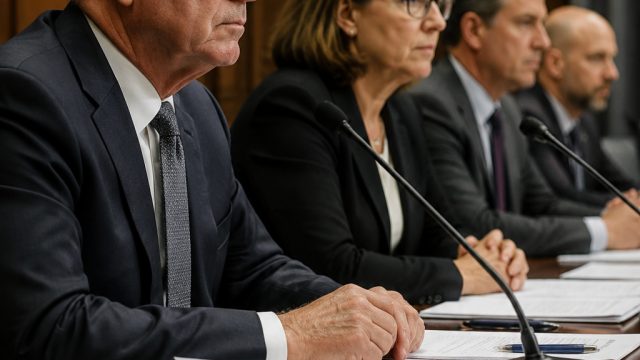
In a significant move for energy consumers, Ohio regulators have firmly rejected a proposal from FirstEnergy aimed at loosening the standards that govern power reliability. This decision underscores a growing emphasis on customer rights and the need for dependable electricity services, particularly in the face of rising demand for consistent energy solutions.
Understanding the Rejection
On Wednesday, the Public Utilities Commission of Ohio (PUCO) decisively turned down FirstEnergy's request to amend existing reliability standards. The utility company argued that the proposed changes would afford them greater flexibility in managing outages. However, regulators determined that the modifications would result in longer and more frequent power interruptions, ultimately placing an undue burden on consumers.
Implications for Consumers
This rejection is pivotal for Ohio residents who rely on stable electricity for both their homes and businesses. With the growing integration of technology and electric vehicles, the demand for uninterrupted power has never been more critical. Any diminishing of reliability standards could have jeopardized the ability of consumers to access essential services, especially during extreme weather events.
The Context of Power Reliability
The decision to maintain strict reliability standards comes at a time when energy providers are under increased scrutiny regarding their service quality. The continued push towards renewable energy sources and electric vehicles amplifies the need for utilities like FirstEnergy to perform at their best. With more electric vehicles hitting the roads, ensuring stable and reliable charging solutions is crucial for the transition to a sustainable future.
How Outages Affect EV Users
- Charging Availability: Frequent outages can disrupt the availability of charging stations, hindering the progress towards a fully electric fleet.
- Consumer Confidence: Reliability in power services builds consumer trust, which is essential for the adoption of electric vehicles.
- Financial Impacts: Businesses that rely on consistent power supply for charging infrastructure can face significant losses during outages.
FirstEnergy's Stance
FirstEnergy's initiative to relax outage rules was framed as a strategy to adapt to modern energy demands and operational challenges. However, the response from regulators indicates a strong commitment to prioritizing consumer welfare over operational flexibility. The company contends that tighter regulations can lead to increased costs, but regulators argue that the long-term benefits of maintaining robust reliability standards far outweigh potential short-term financial concerns.
Alternative Perspectives
Consumer advocacy groups and local governments have expressed their support for maintaining high reliability standards, emphasizing that the primary responsibility of utility companies is to provide consistent and reliable services. The ongoing dialogue surrounding energy regulations reflects broader concerns about infrastructure resilience and the evolving landscape of energy consumption. As technology continues to advance, the emphasis on reliable energy sources will only grow stronger.
The Future of Energy Regulation in Ohio
The PUCO's decision represents a significant moment in Ohio's energy policy landscape. It sets a precedent for future regulatory discussions and decisions, emphasizing that utility companies must be held accountable for the quality of service they provide. As the state navigates the transition towards more sustainable energy solutions, maintaining a strong regulatory framework will be essential to ensure that consumer needs are met.
Moving Forward
In light of the recent developments, consumers are encouraged to stay engaged with their local energy providers and participate in discussions regarding energy policies. Initiatives aiming at enhancing energy efficiency and reliability are crucial as Ohio progresses into a greener future. Residents can also advocate for improved energy solutions that support both the environment and consumer needs.
Conclusion
The rejection of FirstEnergy's bid to weaken outage rules marks a decisive victory for Ohio consumers, reinforcing the necessity of reliable energy services. As the state continues to embrace new technologies and energy solutions, the commitment to maintaining robust reliability standards will play a vital role in shaping a sustainable energy future. As stakeholders reflect on this pivotal decision, it is clear that the path forward must prioritize customer needs while adapting to the evolving energy landscape.
