





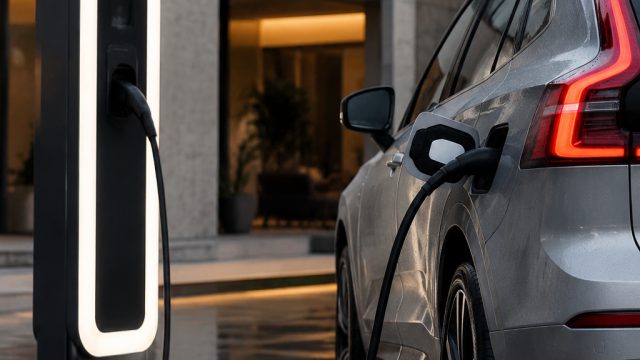
As the electric vehicle (EV) market continues to expand, driver convenience remains a pivotal factor in adoption. Recently, Volvo unveiled its groundbreaking plug-and-charge technology, which promises to streamline the charging process for its latest models, the EX90 and EX60. This innovation could significantly alter the EV landscape, easing one of the most common frustrations among electric vehicle users.
Why Charging Convenience Matters
Public charging stations have often been a source of irritation for EV owners. Complicated payment systems, varying charging speeds, and compatibility issues can make the experience less than enjoyable. According to recent industry studies, these hurdles deter potential buyers from fully transitioning to electric vehicles. With Volvo's new technology, the company aims to eliminate these roadblocks, leading to a smoother experience.
Plug-and-Charge Explained
The essence of the plug-and-charge system lies in its simplicity. Here's how it works:
- Automatic Authentication: Upon connecting the vehicle to a charging station, the system automatically authenticates the user. There's no need for additional apps or cards.
- Seamless Payment: Payments are processed in the background, allowing users to focus on their journey rather than managing payment methods.
- Enhanced Compatibility: The technology is designed to work with a wide range of charging stations, making it versatile for various settings.
This hands-free approach can significantly enhance the usability of charging networks, especially as the need for reliable infrastructure grows.
Implications for the EV Market
Volvo's introduction of this technology might catalyze other automakers to follow suit. As competition heats up in the electric vehicle market, innovations like plug-and-charge will be critical in attracting new customers. With consumer preferences shifting toward convenience and efficiency, the ability to charge without hassle could tip the scales in favor of brands that prioritize user experience.
Key Benefits of Plug-and-Charge
Adopting this technology can yield several advantages:
- Increased Adoption: The more convenient the charging process, the more likely consumers are to switch to electric.
- Reduced Downtime: Faster charging and less fiddling with apps mean more time on the road.
- Positive User Experience: Simplifying charging aligns with modern consumer expectations for seamless technology.
What This Means for Future EV Developments
Volvo's initiative is not just about improving the user experience; it speaks to a broader trend towards integrated technology in electric vehicles. As automakers invest in smarter EV capabilities, we can expect to see more features that enhance convenience, safety, and environmental sustainability. This aligns well with growing consumer awareness and demand for reliable energy solutions.
Looking Ahead
The introduction of plug-and-charge technology is timely, given the increasing pressure on manufacturers to provide efficient, user-friendly charging solutions. With the EV market projected to continue its growth trajectory, innovations like these may become standard rather than exceptional.
As Volvo leads the charge (pun intended), it sets a new benchmark for automakers. This development underscores the importance of listening to customer needs and adapting technology accordingly. Consumers today expect more than just a vehicle; they seek a holistic driving experience that integrates seamlessly with their lifestyle.
Conclusion
Volvo's plug-and-charge technology represents a significant advancement in the electric vehicle sector. By removing barriers and enhancing the charging experience, the company is not only addressing existing frustrations but also paving the way for a broader acceptance of electric vehicles. As we witness this evolution, it becomes clear that the future of automotive technology will be defined by convenience, integration, and sustainable practices.
