





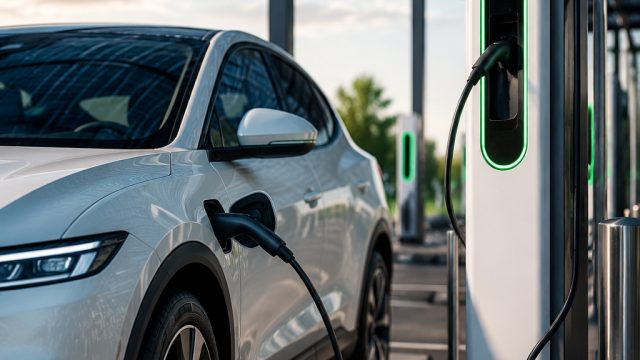
The automotive landscape in British Columbia is shifting at an unprecedented pace, necessitating immediate reforms in taxation and training. As electric vehicles (EVs) gain traction, local dealers are voicing the pressing need to adapt to these changes to ensure a sustainable future for the industry.
Current Challenges Facing B.C. Auto Dealers
With the increasing popularity of electric vehicles, B.C. auto dealers are confronted with a multitude of challenges. These include adapting to new technologies, understanding consumer preferences, and fulfilling government regulations. Dealers are seeking reform to address these issues effectively.
Taxation Issues
One of the significant concerns raised by B.C. auto dealers is the existing tax structure, which they argue does not reflect the current market dynamics. The dealers are advocating for:
- Lower tax rates: To make EVs more affordable for consumers.
- Incentives for EV sales: Encouraging more dealerships to stock electric models.
- Support for infrastructure development: Funding for charging stations throughout the province.
By revising these tax policies, dealers believe they can stimulate the market and encourage consumer adoption of electric vehicles.
Training Programs for a New Era
In conjunction with tax reforms, the need for enhanced training programs has become a focal point for B.C. dealers. The rise of EV technology requires a workforce that is knowledgeable about these advanced vehicles. This is especially crucial as dealers expand their EV offerings.
Key Areas for Training Development
Dealers have identified several areas where training is essential:
- Understanding EV technology: Sales staff must be equipped to educate consumers about the benefits and functionalities of electric vehicles.
- Repair and maintenance skills: Technicians need specialized training to service EVs effectively.
- Customer service excellence: Training programs should focus on enhancing the overall customer experience in the dealership.
By empowering their workforce with the right skills, dealers can elevate the purchasing experience for potential EV buyers.
Why These Reforms are Urgent Now
The automotive industry is undergoing a radical transformation globally, and B.C. is no exception. With the provincial government aiming for significant reductions in carbon emissions, the pressure is on dealerships to expand their electric offerings and meet these targets. The following points emphasize the urgency of these reforms:
- Government Goals: The B.C. government has set ambitious targets for electrification, and dealers need to align with these objectives.
- Consumer Demand: As consumers become more environmentally conscious, the demand for EVs is expected to rise sharply.
- Competitive Landscape: Competitors are already investing in EV technologies, and B.C. dealers must keep pace to remain relevant.
Failure to implement these reforms could lead to significant market disadvantages for B.C. auto dealers in the years to come.
Conclusion: A Call to Action
The time for action is now. B.C. auto dealers are urging stakeholders to recognize the challenges they face and support the necessary reforms in taxation and training. These changes are essential not only for the dealers themselves but for the broader goal of reducing emissions and transitioning to a more sustainable automotive future. As we look forward, it is clear that the survival of the auto industry in British Columbia hinges on these reforms being implemented swiftly and effectively.
