





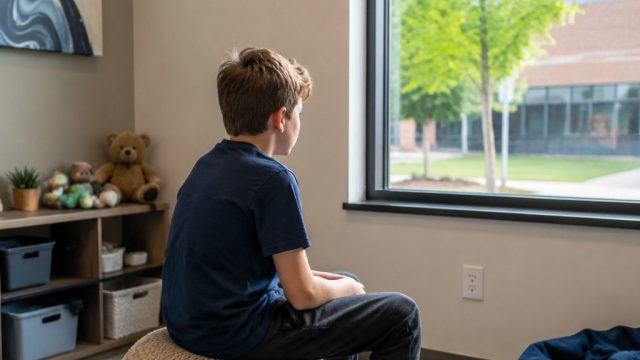
As schools increasingly focus on student mental health and holistic development, the concept of reflection rooms has gained traction. These spaces are more than just quiet corners; they are designed to foster emotional regulation, self-reflection, and overall well-being. In this article, we explore why reflection rooms are essential in today’s educational landscape and how they contribute to a healthier school environment.
What are Reflection Rooms?
Reflection rooms are designated areas within educational institutions where students can retreat to process their thoughts and feelings. Unlike traditional disciplinary spaces, these rooms are intended to promote mindfulness and emotional recovery. Students can utilize this time to reflect on their behavior, manage stress, and return to class prepared to engage positively.
The Concept Behind Reflection Rooms
- Emotional Safe Haven: These spaces are equipped to provide comfort and security, helping students feel safe while they navigate their emotions.
- Mindfulness Practices: Many reflection rooms offer resources for mindfulness and relaxation techniques that students can practice during their time out.
- Conflict Resolution: They serve as a neutral ground where students can cool down after conflicts and approach resolution constructively.
The Importance of Reflection Rooms Now
In the wake of increasing awareness around mental health, especially post-pandemic, reflection rooms have become pivotal in school environments. The stressors faced by students today can be overwhelming, and schools recognize the need to address these challenges actively.
Enhancing Student Well-Being
By integrating reflection rooms into their facilities, educational institutions send a clear message that they prioritize student well-being. This proactive approach can help:
- Reduce Anxiety: Giving students a space to de-escalate can alleviate anxiety levels, leading to better focus and performance in class.
- Encourage Emotional Intelligence: Regular use of these rooms promotes self-awareness and emotional regulation, skills essential for personal and academic success.
- Improve Academic Outcomes: Students who can process their emotions are more likely to engage positively in their learning environment, leading to improved grades.
Implementing Reflection Rooms Effectively
Schools looking to create or improve their reflection room facilities should consider several factors to ensure their effectiveness:
Design and Environment
The atmosphere of a reflection room should be inviting and calming. Considerations include:
- Color Schemes: Soft, neutral colors can help create a tranquil environment.
- Comfortable Furnishings: Cozy seating options can make students feel more relaxed.
- Accessible Resources: Include tools such as journals, art supplies, and mindfulness materials to aid reflection.
Training Staff
For reflection rooms to be effective, staff must be trained to understand their purpose and how to facilitate student use effectively:
- Understanding Triggers: Educators should be aware of what situations may lead students to need time in a reflection room.
- Supportive Interventions: Staff should be equipped to guide students in using their time wisely and reflecting constructively.
Conclusion: A Necessary Addition to Educational Spaces
Reflection rooms are a vital addition to the modern educational landscape. They provide students with the opportunity to take a step back, reflect on their emotions, and return to their studies with a refreshed mindset. As we continue to navigate the challenges of student mental health, the importance of these spaces cannot be overstated. Schools that prioritize emotional well-being through reflection rooms are not only improving the educational experience but are also fostering a generation of emotionally intelligent and resilient individuals.
