





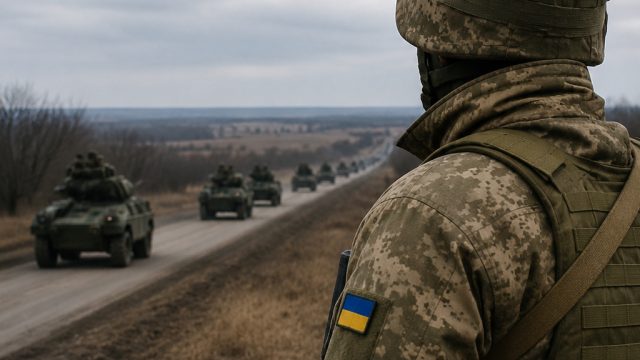
In recent weeks, escalating tensions in Eastern Europe have drawn global attention, particularly with Russia's military movements and strategic rhetoric. Prominent Polish diplomat Radosław Sikorski has highlighted troubling signs, suggesting that the Kremlin could be gearing up for further aggression. This development necessitates a close examination of geopolitical dynamics and their implications for regional stability.
Understanding the Context of Rising Tensions
The backdrop of this situation involves a series of provocative actions and statements from Moscow. Experts have noted that Russia's recent military exercises near its borders with NATO countries are not just routine drills but could signify an underlying agenda. Analysts emphasize that these maneuvers may serve as a pretext for potential military intervention, echoing patterns observed before previous conflicts.
Historical Precedents of Russian Aggression
To grasp the current scenario, it is essential to recall recent historical incidents where Russia has leveraged military might:
- Annexation of Crimea (2014): A pivotal moment that reshaped international relations.
- Support for Separatists in Eastern Ukraine: Ongoing tensions have resulted in a protracted conflict.
- Involvement in Syrian Civil War: Demonstrated Russia's willingness to engage militarily beyond its borders.
With these precedents, analysts suggest that the Kremlin's current maneuvers might be indicative of a broader strategy to reassert influence over former Soviet territories.
Current Military Movements and Their Implications
The recent troop deployments and military logistics adjustments along the borders have raised alarms within NATO and the EU. Intelligence reports indicate that the Russian military buildup is not merely defensive but may be aimed at threatening neighboring nations, particularly Ukraine and the Baltic states.
Strategic Responses from NATO and the EU
In response to these developments, NATO has reiterated its commitment to collective defense. Key actions include:
- Increased Troop Presence: NATO member states are enhancing their military presence in Eastern Europe.
- Joint Military Exercises: Collaborative drills are being conducted to ensure readiness in the face of potential aggression.
- Diplomatic Engagement: Ongoing discussions aim to deter further escalation through dialogue.
The alliance's proactive measures intend to convey a clear message to Moscow: any act of aggression will meet with a unified and robust response.
The Potential for Escalation and Global Consequences
The stakes are high, not just for Eastern Europe but for global stability. Analysts warn that a miscalculation or unexpected incident could spiral into a broader conflict, impacting international markets, energy supplies, and geopolitical alliances.
Economic Implications of Conflict
Increased tension could lead to significant economic repercussions, including:
- Disruptions in Energy Supplies: Europe heavily relies on Russian gas, and any conflict might threaten supply chains.
- Market Volatility: Investor confidence could plummet, leading to a downturn in global markets.
- Impact on Defense Spending: Nations may be compelled to increase military budgets, diverting funds from domestic needs.
As the world watches closely, the balance of power in Eastern Europe remains precarious, and the international community must remain vigilant.
Conclusion: The Need for Cautious Diplomacy
As tensions mount, it is crucial for nations to engage in diplomacy to prevent the situation from escalating into a full-blown conflict. Understanding the motivations behind Russia's actions and fostering dialogue among involved parties may help avert a crisis. The current landscape requires not only strategic military readiness but also a concerted effort towards peaceful resolution and cooperation to ensure regional and global stability.
