





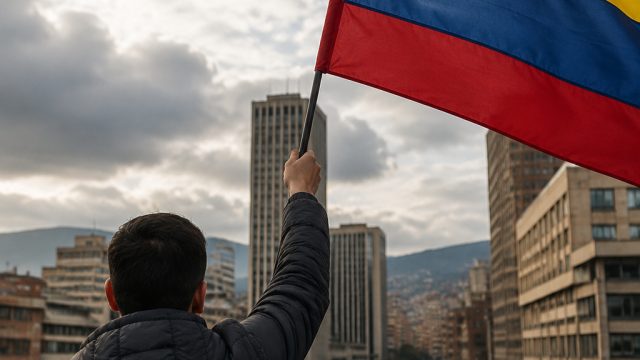
Colombian Elections: What Right-Wing Victory Means for Latin America
The recent right-wing victory in Colombia's elections marks a pivotal moment not only for the nation but also for the broader Latin American region. This unexpected shift in the political landscape has sparked discussions about its potential repercussions and the urgent need for regional stakeholders to respond to these changes.
The Rise of Right-Wing Politics
Colombia, known for its rich cultural heritage and diverse political history, has recently undergone a significant transformation. The emergence of a right-wing candidate, who campaigned on promises of economic stability and security, has raised eyebrows and ignited debates. The results of this election could set a precedent for other nations in Latin America grappling with similar political and economic challenges.
Defining the Shift
- Voter Sentiment: Many Colombians expressed their frustration with the previous administration's handling of issues like crime and inflation.
- Policy Changes: The winning party is proposing a series of reforms aimed at bolstering the economy and reducing violence.
- International Relations: The new government’s approach may shift Colombia's alliances, favoring partnerships that reflect its conservative values.
Regional Repercussions
Colombia stands as the third-largest country in Latin America, making its political realignment significant. The right-wing victory could inspire similar movements across neighboring countries, where leaders are grappling with unrest and disillusionment among their populations. Experts have begun to discuss the potential domino effect this could have on regional politics.
Comparative Analysis
To understand the implications of Colombia's elections, it is crucial to compare them with recent political trends in other Latin American nations:
- Brazil: The rise of right-wing policies in Brazil mirrors those seen in Colombia, as both countries seek to address economic woes.
- Chile: In Chile, voters are increasingly prioritizing security and economic stability, potentially setting the stage for similar right-wing victories.
- Venezuela: The contrast between Colombia’s new direction and Venezuela’s ongoing crisis underscores the varying political landscapes across the region.
Challenges Ahead
While the right-wing leadership might promise immediate solutions, significant challenges await the new administration. Managing public expectations and delivering on campaign pledges will be crucial for maintaining support.
Key Areas of Focus
- Security: Addressing crime, especially in urban areas, will be vital as citizens demand improvements in safety.
- Economic Growth: The new government must implement strategies that foster job creation and economic development.
- Social Programs: Balancing economic policies with the need for social welfare will be essential to avoid alienating vulnerable populations.
The Global Perspective
This political shift in Colombia does not exist in isolation. Global economic trends, environmental concerns, and social media's role in shaping public opinion are all forces that will influence the Colombian administration's decisions. Moreover, how Colombia navigates its relationship with the United States and China post-election will be closely watched, as this could have ramifications far beyond its borders.
International Trade and Cooperation
As Colombia reevaluates its international partnerships, several factors will come into play:
- Trade Agreements: The new government may seek to renegotiate trade deals to favor domestic industries.
- Investment Opportunities: Attracting foreign investment will be paramount for economic recovery, particularly in the energy sector.
- Climate Policies: Balancing economic growth with sustainability will present a unique challenge for the Colombian administration.
Conclusion
The right-wing victory in Colombia’s elections signifies a watershed moment in the nation's history and poses questions for its neighbors in Latin America. As the region watches and reacts to these changes, the political landscape may shift in ways that redefine alliances and goals. Stakeholders must remain vigilant and responsive as they navigate this new era of Colombian politics.
