





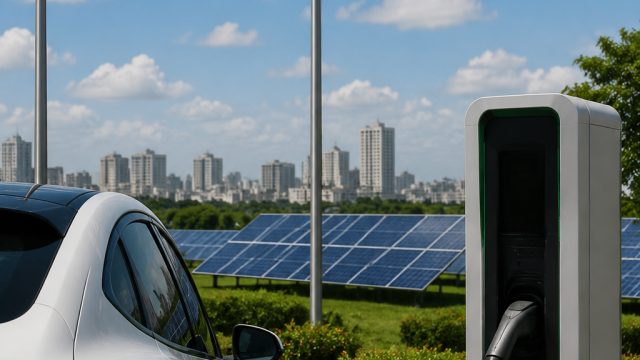
In an era where global energy transition is crucial, Cuba and Vietnam are stepping up their economic cooperation by focusing on investments in sustainable energy solutions. As countries worldwide shift towards renewable energy, this partnership marks a significant move in enhancing both nations' agricultural and energy sectors, presenting timely opportunities for growth.
Driving Economic Growth through Energy Investments
The recent collaboration between Cuba and Vietnam is set against a backdrop of increasing demand for clean energy. The two nations have recognized the importance of diversifying their energy resources to stimulate economic growth. This partnership aims to not only strengthen their economies but also to pave the way for innovative technologies and practices in energy consumption.
Importance of Renewable Energy
- Reducing Dependency: By investing in renewable energy, both countries aim to reduce their reliance on imported fossil fuels.
- Environmental Benefits: Green energy solutions will help decrease carbon emissions and combat climate change.
- Job Creation: New energy projects will create jobs in various sectors, boosting local economies.
Key Areas of Investment
Cuba and Vietnam are focusing their investments on several key areas within the energy sector:
- Solar Energy: Exploring solar panel installations and solar farms to harness sunlight effectively.
- Wind Power: Developing wind farms to utilize natural wind currents for energy generation.
- Biomass Projects: Utilizing agricultural waste to create energy, thus linking agriculture with energy production.
Collaboration in Agriculture: A Complementary Approach
Alongside their energy initiatives, Cuba and Vietnam are also enhancing agricultural cooperation. Agriculture and energy are interlinked, as advancements in energy efficiency can lead to more sustainable farming practices. By sharing knowledge and resources, both countries can improve crop yields while minimizing energy consumption.
Benefits of Agricultural Partnership
- Enhanced Food Security: Improved agricultural practices ensure a stable food supply.
- Resource Management: Efficient energy usage in farming can lead to reduced costs and better land use.
- Knowledge Exchange: Farmers from both countries can learn from each other’s practices, leading to innovation in agriculture.
Implications for Global Energy Markets
The strength of this partnership is not just regional; it has implications for global energy markets. As Cuba and Vietnam take on leadership roles in renewable energy investments, they could inspire other nations to follow suit. The push for sustainable practices can lead to a ripple effect, encouraging a shift towards cleaner energy solutions worldwide.
Potential Challenges
While the outlook is optimistic, there are challenges that need to be addressed:
- Financial Investment: Significant capital is needed for large-scale energy projects, which may be a hurdle.
- Technological Barriers: Ensuring access to the latest technology is crucial for the successful implementation of these initiatives.
- Policy Framework: Both countries must establish supportive policies to facilitate investment and development.
Conclusion: A Bright Future Ahead
The renewed focus on energy cooperation between Cuba and Vietnam represents a pivotal moment in their economic relationship. By investing in sustainable energy solutions and reinforcing agricultural partnerships, they are not only addressing immediate economic needs but also aligning with global sustainability goals. As they move forward, the world will be watching closely to see how this partnership develops and sets a precedent for international collaboration in the energy sector.
