





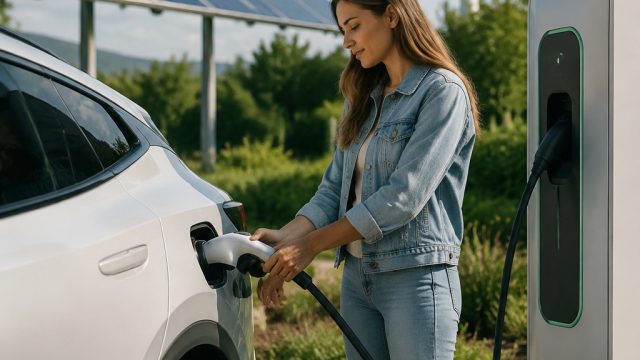
Innovative EV Charging Solutions: Balancing Profit and Planet
The landscape of electric vehicle (EV) charging is rapidly evolving, presenting a unique opportunity to address climate change while achieving commercial success. As global attention shifts towards sustainable energy solutions, the time is ripe for businesses to invest in EV charging infrastructure that not only benefits the environment but also delivers financial returns. At the forefront of this revolution is the innovative work being done by companies like Gridserve, which is demonstrating that eco-friendly solutions can coexist with robust profitability.
The Urgent Need for Sustainable Infrastructure
With global EV sales hitting record highs, the demand for reliable and efficient charging stations has never been greater. As noted in recent reports, electric vehicle adoption is projected to grow exponentially by 2030, necessitating a comprehensive charging network that can support this shift. This surge in popularity comes with an urgent call to action: businesses and governments must prioritize the development of sustainable charging solutions that can mitigate the adverse effects of climate change.
Integrating Renewable Energy Sources
One of the critical components of effective EV charging infrastructure is the integration of renewable energy sources. By harnessing solar, wind, and other renewable energies, companies can create charging stations that are not only efficient but also significantly reduce carbon footprints. This approach aligns with global sustainability goals and resonates well with eco-conscious consumers.
Innovative Business Models
Beyond environmental benefits, businesses are discovering that innovative charging solutions can lead to substantial commercial returns. By implementing new business models, companies can capitalize on the growing market of electric vehicles:
- Subscription Services: Offering subscription-based charging can attract users seeking convenience and affordability.
- Partnerships with Retailers: Collaborating with shopping centers or cafes to install charging stations can drive foot traffic and enhance customer experience.
- Dynamic Pricing: Utilizing real-time pricing based on demand can maximize revenue while ensuring accessibility for users.
Technological Advancements Enhancing User Experience
Technological advancements are also playing a pivotal role in enhancing the user experience at EV charging stations. Smart charging technologies equipped with mobile apps are making it easier for users to locate, reserve, and pay for charging slots. These innovations not only streamline the charging process but also provide valuable data on usage patterns, allowing companies to optimize their services.
Real-Time Monitoring and Maintenance
Implementing real-time monitoring systems ensures that charging stations are always operational and ready for users. By proactively addressing maintenance issues, businesses can avoid downtime and enhance customer satisfaction. This technology-driven approach can significantly impact the overall efficiency of the charging network.
Challenges and Considerations
While the benefits of developing EV charging infrastructure are immense, there are challenges that need careful consideration. Regulatory hurdles, significant upfront costs, and the need for strategic location planning are critical factors that can influence the success of EV charging initiatives. However, companies that can navigate these challenges will be well-positioned to reap the rewards of the burgeoning EV market.
Government Support and Incentives
Governments worldwide are recognizing the importance of EV adoption and are beginning to offer support and incentives for charging infrastructure development. Grants, tax credits, and favorable regulatory environments can significantly ease the financial burden on businesses looking to invest in this sector.
Conclusion: A Future Driven by Electric Vehicles
As we move towards a more sustainable future, the role of electric vehicle charging infrastructure will be pivotal. Companies that embrace innovative solutions can not only contribute positively to the environment but also secure their financial viability in a changing market. The integration of renewable energy, advanced technologies, and smart business models will be instrumental in driving both climate impact and commercial returns. Now is the time for businesses to act and invest in the future of sustainable energy solutions.
