





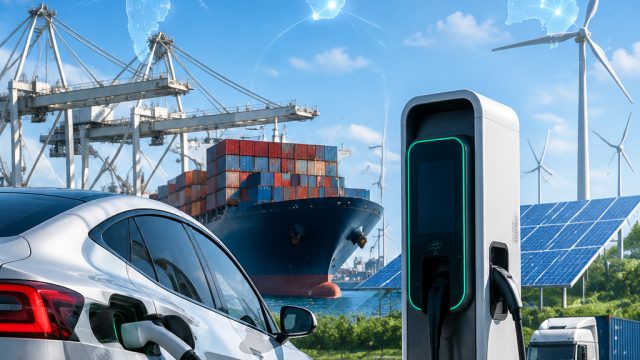
As the world shifts towards sustainable energy solutions, the trade dynamics surrounding electric vehicle (EV) charging infrastructure have become increasingly relevant. With governments and corporations investing heavily in green technology, recent geopolitical tensions are putting these initiatives at risk. The urgency for a strategic response to new challenges has never been more critical.
The Current Landscape of EV Charging Investment
The global shift towards electric vehicles has sparked unprecedented investments in EV charging infrastructure. Major players in the automotive and energy sectors are racing to establish robust charging networks to support the growing number of electric vehicles on the roads.
Strategic Investments
- Government incentives for EV development
- Private sector funding for charging stations
- Partnerships among tech firms and energy companies
However, as trade relations evolve—especially between significant markets like China and India—these investments face potential roadblocks. The implications of these shifts extend beyond economic concerns; they impact environmental goals and technological advancements crucial for a sustainable future.
The Impact of Geopolitical Tensions on Trade
Geopolitical tensions can disrupt supply chains and affect the flow of goods necessary for developing EV infrastructure. The ongoing trade disputes can lead to higher costs, delayed projects, and uncertainty, discouraging investments in essential technologies.
Key Factors to Consider
- Tariffs and trade barriers influencing supply costs
- Access to critical materials required for EV batteries
- Market volatility affecting investor confidence
The current climate necessitates a robust strategy to mitigate risks related to trade. Policymakers and industry stakeholders must collaborate to navigate these challenges effectively.
Emphasizing Innovation Amidst Challenges
Innovation is at the heart of overcoming the challenges posed by global trade dynamics. With shifting market demands, companies must adapt swiftly to remain competitive. This involves not only investing in advanced technologies but also rethinking supply chains to ensure resilience.
Promoting Local Solutions
- Encouraging domestic production of EV components
- Developing strategic partnerships within local markets
- Investing in research and development for sustainable practices
By fostering local solutions, businesses can reduce reliance on volatile international trade and enhance their sustainability efforts.
Conclusion: A Call to Action for Sustainable Growth
In conclusion, the evolving landscape of global trade impacts the development and deployment of EV charging infrastructure significantly. As we face these challenges, it is imperative for stakeholders in the energy and automotive sectors to come together. By prioritizing innovation, advocating for supportive policies, and promoting sustainable practices, we can navigate the complexities of global trade while achieving our environmental goals.
Now is the time for action. Together, we can pave the way towards an electrified future that supports sustainable growth and energy independence.
