





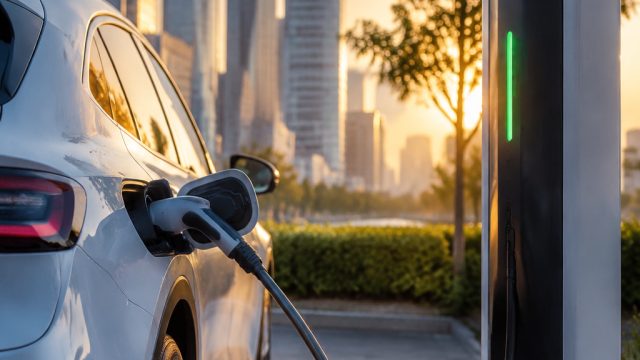
As electric vehicles (EVs) become increasingly popular, the demand for efficient and accessible charging infrastructure is rising. Innovations in EV charging solutions are vital not only for current users but also for the future of sustainable transportation. Let’s delve into the latest advancements in this field and understand why immediate solutions are crucial for a greener tomorrow.
The Growing Demand for EV Charging Solutions
According to recent market analyses, the global EV market is expected to expand dramatically over the next decade. This surge is driven by several factors, including increasing environmental awareness, government incentives, and advancements in battery technologies. These developments have led to a rapid rise in the number of electric vehicles on the road, highlighting the need for effective charging solutions.
Key Factors Driving Demand
- Government Initiatives: Many countries are implementing policies to encourage EV adoption, which includes funding for charging infrastructure.
- Consumer Awareness: As more people learn about the environmental benefits of EVs, interest in sustainable transportation options grows.
- Technological Advancements: Innovations in battery technology and charging speed are making EVs more appealing to potential buyers.
Innovations in Charging Technology
To meet this growing demand, the industry is witnessing a wave of technological innovations aimed at improving the efficiency and accessibility of EV charging solutions. Here are some of the key advancements shaping the future of EV charging:
Fast Charging Stations
One of the most significant breakthroughs in EV technology is the development of fast charging stations. These stations allow drivers to charge their vehicles in a fraction of the time it would take with standard chargers. Fast chargers can replenish an EV battery to 80% in as little as 30 minutes, making long-distance travel more feasible for electric vehicle owners.
Wireless Charging Solutions
Wireless charging technology is another exciting development. This system uses electromagnetic fields to transfer energy between two coils – one in the ground and one in the vehicle – allowing for a seamless charging experience. The convenience of wireless charging can encourage more drivers to transition to electric vehicles.
Accessibility and Infrastructure Development
Accessibility is a critical factor in the widespread adoption of electric vehicles. Many potential EV users hesitate due to concerns about the availability of charging stations. Efforts are being made to expand charging networks significantly. Cities and businesses are partnering to ensure that charging stations are readily available in urban areas, workplaces, and even rural locations.
Public and Private Collaborations
Collaboration between public and private sectors is essential for developing an extensive charging infrastructure. Initiatives include:
- Investment in Charging Networks: Governments are providing grants and incentives to companies willing to invest in charging stations.
- Integration with Public Transport: Charging stations are increasingly being integrated into public transport hubs, enhancing convenience for commuters.
The Role of EV Charging Impact on Climate Goals
Transitioning to electric vehicles is a crucial step towards achieving global climate goals. By offering efficient EV charging solutions, we can reduce greenhouse gas emissions significantly. The transportation sector is a major contributor to carbon emissions; therefore, enhancing EV adoption through improved charging infrastructure is vital for climate action.
Community Engagement in EV Adoption
Engaging communities is essential for promoting the use of electric vehicles. Educational campaigns can help raise awareness about the benefits of EVs and the importance of a robust charging network. Communities can host events, workshops, and demonstrations, encouraging local residents to consider electric vehicles as viable alternatives.
Conclusion: The Urgency of Now
As we continue to advance toward a more sustainable future, the importance of effective EV charging solutions cannot be overstated. The time to act is now. By embracing innovations and investing in charging infrastructure, businesses, governments, and communities can pave the way for a greener, more efficient transportation landscape. As electric vehicles take center stage in the fight against climate change, ensuring convenient and accessible charging solutions will be pivotal in shaping a sustainable future for all.
