





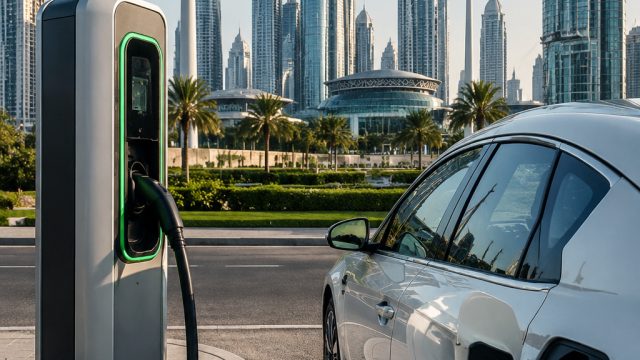
The Gulf's geographical significance is undergoing a transformation that is reshaping the landscape of investment decisions across Asia. With evolving economic dynamics in global trade, the region's strategic location is emerging as a pivotal factor for investors looking to tap into Asian markets. This trend is not just a passing phase but a critical development in our interconnected world.
Understanding the Gulf's Strategic Importance
The Gulf region serves as a vital bridge between East and West, thanks to its unique positioning. Historically known for its oil reserves, the area is now transforming into a hub for diverse industries, including technology, finance, and renewable energy. As Asian economies continue to grow, the Gulf's role as a facilitator of trade and investment becomes increasingly prominent.
Key Factors Driving Investment
- Economic Diversification: Countries like the UAE and Saudi Arabia are investing heavily in diversifying their economies away from oil dependency. This creates new opportunities for investors.
- Ease of Doing Business: The Gulf states are continually improving their regulatory frameworks, making it more attractive for foreign investors.
- Technological Advancements: The integration of advanced technologies is making the Gulf a desirable location for tech startups and established firms alike.
Impact on Asian Investment Decisions
As the Gulf strengthens its economic foundations, Asian investors are increasingly viewing the region as a strategic partner. This shift is evident in various sectors:
1. Renewables and Sustainable Energy
With a global push towards sustainability, the Gulf has become a focal point for renewable energy investments. Countries are implementing ambitious projects aimed at reducing carbon footprints, which resonate with Asian investors focusing on sustainable practices.
2. Technology and Innovation
The rise of tech hubs in cities like Dubai and Riyadh is attracting significant Asian investment. Initiatives to foster innovation and entrepreneurship create an environment ripe for collaboration and growth.
3. Real Estate and Infrastructure
Massive infrastructure projects are underway across the Gulf, making it an attractive destination for Asian real estate investors. Development initiatives, such as smart cities, are paving the way for innovative living and working spaces.
Challenges and Considerations
Despite the opportunities, investors must navigate a complex landscape filled with challenges. Regulation changes, geopolitical tensions, and market fluctuations can impact investment strategies. However, proactive investors can leverage these challenges to identify emerging opportunities.
Cultural Sensitivity
Understanding the cultural dynamics of the Gulf is crucial for foreign investors. Establishing strong local partnerships can facilitate smoother operations and enhance the likelihood of success.
Market Research
Conducting thorough market analysis is imperative to identify the right sectors for investment. With the Gulf’s strategic location, investors should consider both regional and global trends when making decisions.
The Future of Gulf-Asia Relations
The evolving relationship between the Gulf and Asia is set to redefine investment landscapes significantly. As economic ties strengthen, the potential for mutual growth is enormous. Investors who recognize the Gulf's strategic advantages will be well-positioned to benefit from this trend.
Conclusion
The Gulf's strategic location is not merely a geographical advantage; it is a transformative force that is reshaping investment decisions across Asia. As businesses and investors navigate this dynamic environment, the focus on diversification, sustainability, and innovation will be key to unlocking future opportunities. The time to engage with the Gulf's markets is now, as they emerge as vital players in the global economy.
