





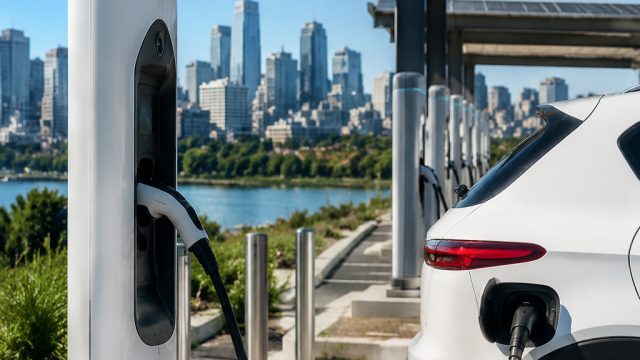
As the adoption of electric vehicles (EVs) accelerates, understanding the state of Australia’s EV charging infrastructure becomes paramount. Despite rapid growth in the EV market, significant gaps remain in the charging network that need urgent attention. This situation poses challenges for new EV owners and could slow the transition toward sustainable transportation if not addressed promptly.
The Current Landscape of EV Charging in Australia
Australia is experiencing a surge in electric vehicle usage, yet the charging infrastructure is struggling to keep pace. According to recent analyses, while major cities are becoming increasingly well-equipped with charging stations, regional and rural areas continue to face significant shortages.
Urban vs. Rural Charging Availability
- Urban Areas: Cities like Sydney, Melbourne, and Brisbane boast a reasonably extensive network of fast-charging stations, often located in shopping centers and public parking facilities.
- Rural Areas: In contrast, many rural communities are left with limited access, forcing EV owners to plan their journeys meticulously to avoid running out of charge.
Challenges for EV Owners
The uneven distribution of charging stations creates a series of challenges for EV owners across the country. With the ongoing evolution of electric vehicle technology, it's crucial that charging infrastructure keeps up to ensure a seamless experience for users.
Range Anxiety: A Growing Concern
Range anxiety remains a significant barrier for potential EV adopters. This phenomenon occurs when drivers worry about their vehicle's ability to complete a journey without running out of charge. In regions lacking adequate charging points, this concern is heightened, deterring many from making the switch to electric.
Impact on Local Economies
Inadequate charging infrastructure can also hamper local economies. Regions that are not EV-friendly may miss out on tourism and business opportunities as travelers in electric vehicles seek destinations with better charging options.
Solutions to Bridge the Gaps
To tackle these challenges, a multi-faceted approach is necessary. Stakeholders, including government bodies, private companies, and community organizations, must collaborate to enhance the EV charging landscape.
Government Initiatives
- Investment in Infrastructure: Increased funding for the development of charging stations, especially in underserved areas.
- Subsidies and Incentives: Offering financial incentives to businesses that install charging stations can accelerate infrastructure rollout.
Private Sector Involvement
- Partnerships: Collaborations between car manufacturers and charging companies to ensure robust networks are built.
- Innovative Technologies: Investment in fast-charging technology that can reduce charging time and improve user experience.
Conclusion: Moving Forward Together
As electric vehicles continue to gain traction in Australia, addressing the gaps in the charging network is crucial for ensuring a smooth transition to sustainable transport. By fostering collaboration among government, private sector, and communities, Australia can create a comprehensive and accessible EV charging infrastructure that meets the needs of all drivers. This is not just about building more stations; it’s about paving the way for a greener future.
