





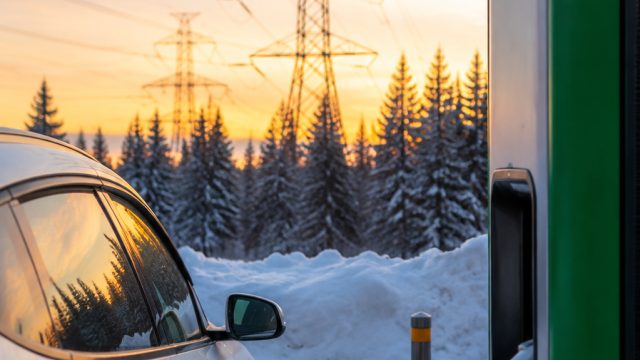
As electric vehicles (EVs) become increasingly popular, understanding their effects on national power supplies is crucial. Recent studies have raised concerns about the potential strain EV charging could place on Finland's energy infrastructure. With the rise of sustainable transport, it is essential to assess how these developments might impact energy availability, especially during peak usage times.
The Growing Demand for Electric Vehicles
The shift towards electric vehicles is evident across Finland, driven by government incentives and societal trends favoring sustainability. As more drivers make the transition to EVs, the demand for charging stations has surged. Finland's commitment to reducing carbon emissions means that EV adoption is expected to increase dramatically in the coming years.
Current EV Adoption Rates
Statistics show that EV sales in Finland have grown significantly. Here are some key figures:
- In 2023, EV registrations rose by 25% compared to the previous year.
- Approximately 15% of all new vehicle sales are now electric.
- Government projects indicate that this number could reach 30% by 2025.
This rapid adoption raises questions about the infrastructure needed to support it.
Impact on Power Supply
While the transition to electric vehicles is a positive step towards sustainability, it presents significant challenges for Finland's energy supply. The EV charging process requires considerable electricity, particularly during peak hours when demand is already high.
Potential Strain on the Grid
According to recent analyses, if EV charging demand continues to increase at the current pace, Finland may face several issues:
- Grid Overload: Current infrastructure may struggle to accommodate peak charging needs, leading to potential blackouts.
- Increased Energy Costs: A surge in demand could drive energy prices up, affecting consumers and businesses alike.
- Reliability Concerns: The consistency of energy supply may be compromised, impacting all sectors relying on electricity.
Experts emphasize the importance of proactive measures to ensure a stable energy future.
Strategies for Sustainable EV Integration
To mitigate potential issues, Finland's energy sector must adopt comprehensive strategies that support the integration of electric vehicles into the existing power grid. Here are a few recommended approaches:
Enhancing Infrastructure
- Invest in Smart Grids: Modernizing the energy grid to accommodate fluctuating demands will improve efficiency and reliability.
- Expand Charging Networks: Increasing the number of charging stations, especially in urban areas, will distribute demand more evenly.
- Utilize Renewable Energy Sources: Investing in solar and wind power can provide clean, sustainable energy for EV charging.
Encouraging Off-Peak Charging
Incentivizing drivers to charge their vehicles during off-peak hours can significantly reduce grid strain. Possible incentives may include:
- Lower Rates: Offering discounted electricity rates for off-peak charging.
- Time-Based Incentives: Programs that reward users for charging during designated off-peak times.
- Awareness Campaigns: Educating the public about optimal charging times can help balance the grid load.
Future Outlook
The future of EV charging in Finland holds promise, but it requires careful planning to avoid potential pitfalls. Stakeholders from government agencies, utility companies, and automotive sectors must collaborate to create a resilient energy network that accommodates the demands of a growing electric vehicle market.
As we chart the course for sustainable energy solutions, the dialogue surrounding EV charging and power supply remains crucial. With strategic investments and forward-thinking policies, Finland can ensure that its transition to electric vehicles enhances, rather than undermines, its energy infrastructure.
Conclusion
The growing popularity of electric vehicles in Finland presents unique challenges and opportunities for the nation's power supply. By addressing these issues proactively, Finland can not only support the rise of EVs but also secure a sustainable energy future for all. As we move forward, the integration of innovative solutions will be key to maintaining energy reliability amid evolving demand.
