





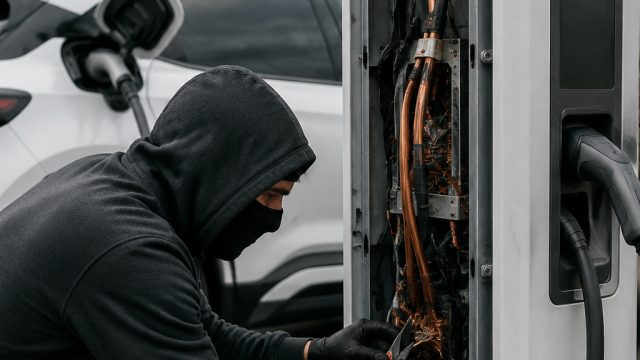
The increasing popularity of electric vehicles (EVs) has led to a surge in installations of EV chargers across urban landscapes. However, this growth is not without its challenges. Recent reports indicate a troubling trend in Seattle where electric vehicle chargers have become prime targets for copper theft. This alarming situation not only disrupts charging capabilities but also raises significant concerns regarding public safety and the integrity of the city's electrical infrastructure.
The Current Situation in Seattle
As Seattle works towards a more sustainable future by promoting electric vehicles, the city faces a growing problem with thieves targeting the copper wiring often found in charging stations. The value of copper has soared, making it an attractive target for criminals. Local authorities have reported an uptick in incidents where EV chargers are vandalized, leading to costly repairs and downtime.
How Copper Theft Affects Electric Vehicle Adoption
The theft of copper from EV chargers poses a dual threat: it hampers the ability to charge electric vehicles and diminishes public trust in the charging infrastructure. As cities like Seattle strive to encourage EV adoption to combat climate change, these thefts can stall progress significantly. Here are a few ways in which copper theft impacts the EV ecosystem:
- Reduced Charging Availability: When chargers are damaged or removed due to theft, EV owners face fewer options for charging, leading to range anxiety and discouragement from making the switch to electric vehicles.
- Increased Costs: The financial burden of repairing or replacing stolen components falls on taxpayers and municipalities, diverting funds from other vital public services.
- Public Safety Concerns: Vandalized chargers can lead to dangerous electrical hazards, as exposed wiring poses risks to both humans and the environment.
Why This Matters Now
With the global shift towards electrification, the urgency of securing EV infrastructure cannot be overstated. As cities ramp up their investments in charging stations, addressing the risk of copper theft becomes paramount. Local governments and communities must come together to implement strategies that enhance the security of these critical installations.
Strategies to Combat Copper Theft
Several proactive measures can be taken to mitigate the risks associated with copper theft at EV charging stations:
- Enhanced Surveillance: Installing security cameras and motion sensors around charging stations can deter thieves and provide valuable evidence in the event of theft.
- Physical Barriers: Using anti-theft devices and barriers around charging units can make it more challenging for thieves to access valuable copper components.
- Community Engagement: Encouraging local communities to report suspicious activity can foster a sense of vigilance and cooperation in protecting public assets.
The Role of Technology in Prevention
In addition to physical security measures, technology can play a vital role in safeguarding electric vehicle chargers. Innovative solutions such as remote monitoring systems can alert authorities to unauthorized access attempts in real time. Moreover, integrating smart technology into charging stations can help in tracking usage patterns and identifying anomalies that may indicate theft.
Collaborative Efforts for a Safer EV Landscape
Collaboration between city officials, EV infrastructure providers, and law enforcement agencies is crucial in combatting the trend of copper theft. By sharing data and resources, stakeholders can create a unified approach to securing charging stations while promoting the continued expansion of EV infrastructure.
Conclusion
The rise in copper theft targeting electric vehicle chargers in Seattle is a pressing issue that deserves immediate attention. As the world moves towards greener transportation solutions, ensuring the safety and security of EV infrastructure is vital for fostering consumer confidence. By implementing protective measures and fostering community engagement, cities can work to mitigate these threats, ensuring a reliable and accessible charging network for all electric vehicle users.
