





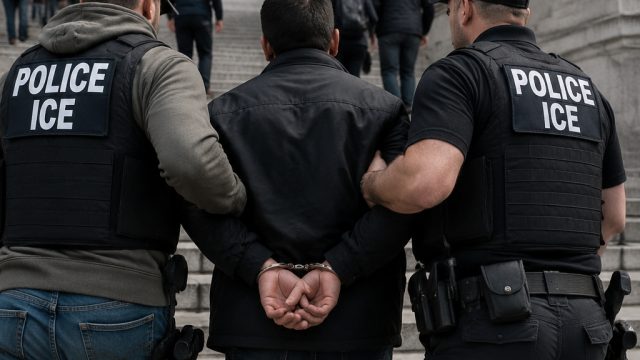
A significant ruling by a federal judge has recently reshaped the landscape of immigration enforcement in the United States, particularly concerning the actions of Immigration and Customs Enforcement (ICE) within courthouses across the nation. This landmark decision comes at a time when immigration policies are under intense scrutiny, and it raises urgent questions about the balance between law enforcement and the rights of individuals seeking justice.
Background of the Ruling
The judgment, which was handed down in response to a legal challenge from several immigrant advocacy groups, prohibits ICE agents from making arrests in courthouses. The plaintiffs argued that such arrests discourage individuals from appearing in court, thereby undermining the judicial process. The ruling is seen as a victory for immigrant rights advocates who have long fought against what they characterize as intimidation tactics employed by ICE.
Implications for Immigrants and Legal Proceedings
- Increased Court Attendance: Immigrants may feel more secure in attending court hearings, knowing that arrests won't occur within those spaces.
- Judicial Integrity: This decision aims to uphold the integrity of the court system by ensuring that individuals can seek justice without fear of arrest.
- Political Reaction: The ruling has sparked mixed responses from political leaders, with some praising it as a necessary protection for vulnerable populations, while others argue it could hinder law enforcement.
Broader Context of Immigration Policies
This ruling is part of a larger national conversation about immigration enforcement practices implemented under various administrations. The Trump administration, in particular, faced criticism for aggressive tactics that included arrests in sensitive areas such as schools and courthouses. Now, as the Biden administration seeks to revise these policies, this ruling may serve as a pivotal point in shaping future enforcement strategies.
Legal Precedents and Future Considerations
Legal experts suggest that this ruling may set a precedent for other jurisdictions to follow. As immigration law continues to evolve, the courts play an essential role in interpreting these policies and their implications for both immigrants and law enforcement. The ongoing litigation and public discourse surrounding immigration enforcement will likely influence future court decisions.
The Human Impact
The emotional and psychological toll of immigration enforcement cannot be understated. Many immigrants live in a constant state of anxiety, fearing that they may be arrested during routine activities, such as attending a court hearing. This ruling provides a measure of relief for many, but it also highlights the ongoing challenges that immigrants face in navigating the legal system.
Support for Immigrant Communities
Supporters of this ruling assert that it is crucial for ensuring access to justice for all individuals, regardless of their immigration status. Community organizations and legal aid groups are mobilizing to inform immigrants about their rights and the implications of this ruling.
Conclusion: A Shift Towards Fairness
The recent federal court ruling represents a significant shift in how immigration enforcement intersects with the judicial system. By barring ICE from making arrests in courthouses, the court has reinforced the notion that everyone, including immigrants, deserves to have their day in court without fear of retribution. As the dialogue around immigration continues to unfold, this ruling stands as a beacon of hope for advocates pushing for a more just and equitable legal framework.
