





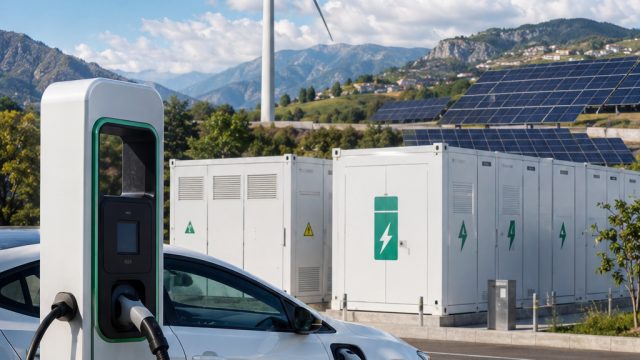
As Europe faces an unprecedented energy transition, the role of battery technology and demand flexibility is becoming increasingly crucial. Recent advancements indicate that these innovations are not just ready to scale but are essential for achieving energy sustainability goals. With energy demands rising and the urgency for a greener grid intensifying, the timing for these solutions could not be better.
The Current Landscape of Energy Demand
With the ongoing shift towards renewable energy sources, the European market is witnessing a dynamic change in demand patterns. Fluctuating energy requirements driven by electric vehicle (EV) adoption and a surge in renewable installations necessitate a robust energy storage system. This is where batteries emerge as a game-changer.
Importance of Energy Storage
Energy storage plays a pivotal role in balancing supply and demand. As more homes and businesses opt for solar panels and wind turbines, the ability to store this energy for later use becomes critical. Without effective storage solutions, excess energy produced during peak generation times can go to waste.
- Flexibility: Batteries offer the ability to store energy when production exceeds demand.
- Reliability: They provide backup power during outages or high-demand periods.
- Cost-Effectiveness: Storing energy can help stabilize costs for consumers and suppliers alike.
Battery Technology Advancements
Recent innovations in battery technology have made it feasible to deploy these systems on a larger scale. The development of lithium-ion batteries, along with emerging technologies like solid-state batteries, is enhancing storage capacity, efficiency, and safety. These developments are crucial for scaling battery solutions across Europe.
Solid-State Batteries: A Game Changer
Solid-state batteries, with their high energy density and improved safety features, are poised to revolutionize the energy storage landscape. Unlike traditional lithium-ion batteries, they use a solid electrolyte, which reduces the risk of leaks or fires, making them a safer alternative for residential and commercial use.
Demand Flexibility: The Key to Optimization
Alongside battery technology, demand flexibility plays a significant role in optimizing energy use. This approach encourages consumers to shift their energy usage to off-peak times, thereby reducing stress on the grid. Smart technologies, including demand response programs, enable users to manage their energy consumption more effectively.
The Role of Smart Technologies
Smart meters and grids are essential for facilitating demand flexibility. By providing real-time data on energy usage, these systems empower consumers to make informed decisions about their energy consumption patterns. This not only helps in reducing costs but also contributes to a more stable energy network.
Why This Matters Now
The urgency for scaling battery solutions and enhancing demand flexibility is underscored by the need to meet climate goals and ensure energy security. With Europe set to phase out fossil fuels under the European Green Deal, leveraging battery technology is not merely advantageous—it is imperative.
Impact on the EU Economy
Investing in battery solutions and demand flexibility can provide significant economic benefits. The growth of this sector can create jobs, stimulate technological innovation, and attract investment. Furthermore, it strengthens Europe's position as a leader in the global renewable energy market.
Conclusion
The intersection of battery solutions and demand flexibility marks a revolutionary step towards a sustainable energy future in Europe. As we accelerate towards a greener economy, these technologies will play a central role in achieving our energy ambitions. Now is the time for governments, businesses, and consumers to embrace these innovations for a resilient energy landscape.
