





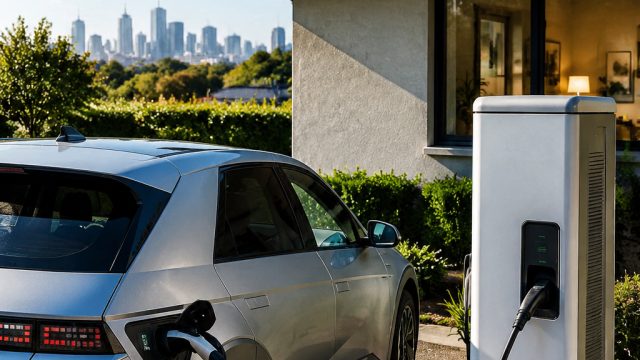
Hyundai Advances V2G Technology in Australia: A Game Changer for EVs
In a significant leap for the electric vehicle (EV) sector, Hyundai has successfully passed a pivotal test in Australia for its Vehicle-to-Grid (V2G) technology. This milestone not only underscores Hyundai's commitment to innovation but also highlights the broader implications for energy management and sustainability in the continent's evolving EV landscape.
What Is V2G Technology?
Vehicle-to-Grid technology allows electric vehicles to communicate with the power grid to optimize energy distribution. Essentially, EVs can not only draw power from the grid but also return excess energy back, aiding in grid stability and potentially providing financial benefits to users. Understanding the workings of V2G is crucial as it represents a transformative shift in how we think about energy consumption and production.
The Importance of V2G in Today's Energy Landscape
- Stability and Efficiency: V2G technology can help balance energy supply and demand, particularly during peak periods.
- Renewable Energy Integration: It facilitates the utilization of solar and wind power by storing excess energy in EV batteries.
- Cost Savings: EV owners can potentially earn money by returning energy to the grid during high demand times.
Hyundai's Recent Milestone
Hyundai’s recent test successfully demonstrated compliance with new Australian standards for V2G systems. This accomplishment not only validates the technology but also positions Hyundai as a leader in the EV sphere. By passing these crucial assessments, Hyundai paves the way for widespread adoption of V2G systems across Australia.
What This Means for Consumers
For consumers, the advancement of V2G technology could mean more than just a vehicle; it opens up new possibilities for energy independence and cost savings. Here’s how:
- Enhanced Control: Owners will have greater control over their energy use and costs.
- Future-Proofing Investments: As energy grids evolve, V2G-equipped vehicles may retain higher resale values due to their dual functionality.
- Environmental Benefits: By enabling more efficient use of renewable resources, V2G systems contribute to lower carbon emissions.
The Broader Impact on the EV Market
The successful implementation of V2G technology in Hyundai's vehicles could influence other manufacturers to follow suit, driving competition and innovation within the EV market. As companies invest in similar technologies, it could accelerate the overall transition to electric vehicles, aligning with global sustainability goals.
Challenges Ahead
While the V2G technology presents a promising future, several challenges must be addressed:
- Infrastructure Development: The necessary grid infrastructure must be built to accommodate V2G integration.
- Consumer Awareness: Education is needed to inform consumers about the benefits and functionality of V2G systems.
- Regulatory Framework: Clear regulations and incentives from the government will be crucial for widespread adoption.
Conclusion: The Future of Electric Vehicles in Australia
Hyundai’s successful V2G test in Australia represents not just a technological achievement but a step toward a sustainable energy future. As more manufacturers explore similar technologies, it could usher in a new era for electric vehicles, transforming them into vital components of the energy ecosystem. The implications for consumers, energy providers, and the environment are profound. Keeping an eye on these developments will be essential for anyone interested in the future of mobility and energy management.
