





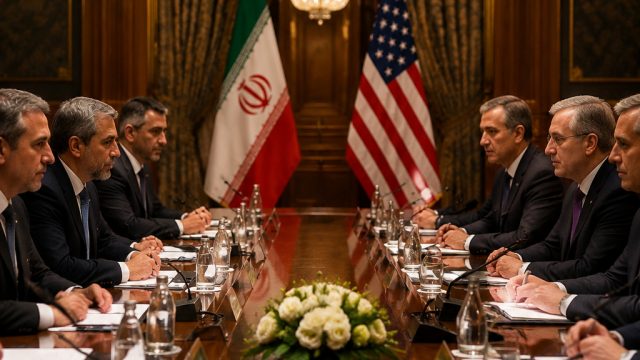
As the diplomatic landscape continues to evolve, the ongoing negotiations between the United States and Iran are drawing significant attention. With President Trump making bold assertions regarding the progress of these talks, the situation remains complex and fraught with contradictions. Understanding the current dynamics of these negotiations is crucial for both policymakers and the public, especially given the implications for international relations and regional stability.
Recent Developments in U.S.-Iran Diplomacy
The diplomatic engagement between the U.S. and Iran has reached a pivotal moment. President Trump has articulated a vision for comprehensive agreements aimed at addressing long-standing tensions between the two nations. However, contrasting statements from Iranian officials raise concerns about the feasibility of these negotiations. The lack of consensus on key issues such as nuclear capabilities and sanctions relief highlights the challenges ahead.
The Stakes of the Negotiations
- Nuclear Agreement: The core of the discussions revolves around Iran's nuclear program. The U.S. seeks a verifiable agreement that curbs Iran's nuclear ambitions, while Iran insists on the lifting of sanctions as a precondition.
- Regional Security: Beyond the nuclear issue, both nations must address broader regional security concerns, particularly regarding Iran’s influence in the Middle East.
- Public Sentiment: Domestic opinion in both the U.S. and Iran plays a crucial role in shaping the negotiations. Any perceived failure to achieve a favorable outcome could lead to political repercussions for both leaders.
Contradictions and Complications
The recent statements from both leaders illustrate a growing disconnect. President Trump's optimistic portrayal of the talks often clashes with Iran's cautious approach. Iranian officials have publicly contradicted aspects of Trump’s claims, emphasizing their commitment to national sovereignty and the importance of lifting sanctions as a starting point for dialogue.
The Impact of Misinformation
In this fast-evolving context, misinformation can easily complicate negotiations. Accurate information dissemination is vital for maintaining credibility and fostering trust among negotiating parties. Here are some of the potential impacts:
- Public Trust: Misinformation can erode public confidence in the negotiation process, making it harder for leaders to make necessary concessions.
- International Perception: How the negotiations are portrayed in the media can shape international opinion, influencing other nations' responses to the U.S.-Iran dynamic.
- Negotiation Leverage: Accurate representation of the facts can enhance the negotiating power of either side, affecting the terms of any potential agreement.
Why This Matters Now
The implications of U.S.-Iran negotiations extend beyond bilateral relations; they resonate across global politics. As tensions rise in other regions, the outcome of these talks could either stabilize or destabilize international affairs. Key stakeholders, including European allies and regional players, are closely watching the developments.
Global Reactions and Expectations
International reactions to the negotiations have been mixed. While some nations advocate for a diplomatic resolution, others remain skeptical about Iran's intentions. Here’s a closer look at what various international players expect:
- European Union: EU leaders are pushing for a return to diplomacy, emphasizing the need for a multilateral approach.
- Middle Eastern Allies: Key partners in the region are concerned about Iran's potential nuclear capabilities and the implications for regional security.
- China and Russia: These nations may leverage the situation to expand their influence in the Middle East, complicating the U.S. strategy.
Conclusion: A Path Forward?
The complexities surrounding U.S.-Iran negotiations underscore the importance of clear communication and mutual understanding. As both sides navigate this intricate landscape, the potential for constructive dialogue remains. However, the path forward is fraught with obstacles, and the stakes have never been higher. Engaging with a range of perspectives and fostering a climate of trust will be crucial in determining the success of these efforts.
As developments continue to unfold, staying informed is essential for grasping the broader implications of these negotiations. The outcomes will not only affect the U.S. and Iran but also shape the geopolitical landscape for years to come.
