





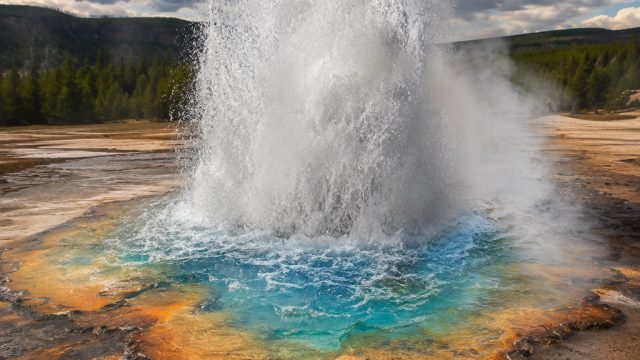
In a surprising turn of events, a small hydrothermal explosion has taken place at Biscuit Basin, a well-known geothermal area in Yellowstone National Park. This eruption adds to the park's rich history of geothermal activity, drawing immediate attention from scientists and nature enthusiasts alike. With a crater measuring approximately 20 feet wide formed from boiling water, the event serves as a captivating reminder of the natural wonders and unpredictabilities present in this unique ecosystem.
Understanding Hydrothermal Explosions
Hydrothermal explosions occur when superheated water beneath the earth's surface forces its way out, creating an eruption. Yellowstone, sitting atop a massive volcanic hotspot, is particularly susceptible to these phenomena. The recent explosion at Biscuit Basin is not an isolated incident but is in line with the park's historical activity patterns.
Recent Activity in Biscuit Basin
- The latest eruption occurred after several smaller bursts in the same area.
- US Geological Survey (USGS) has been monitoring the site closely due to its geothermal significance.
- Visitors to the park are advised to stay clear of the eruption zone for safety.
Implications for Wildlife and Visitors
The impact of hydrothermal explosions extends beyond geological phenomena. Such eruptions can significantly alter local habitats, posing risks to wildlife and affecting visitor experience in the park. Officials have emphasized the importance of awareness and caution when visiting geothermal areas, particularly after recent eruptions.
Visitor Safety Measures
In light of the eruption, Yellowstone authorities have implemented several safety measures to ensure visitor well-being:
- Increased signage around Biscuit Basin to guide visitors away from dangerous areas.
- Regular updates from park officials regarding geothermal activity and potential hazards.
- Educational programs on the park’s geothermal features and safety practices.
Why This Matters Now
Understanding geological events like hydrothermal eruptions is critical, especially as climate change continues to impact natural patterns worldwide. As we witness increasing unpredictability in natural phenomena, staying informed is more important than ever. The most recent eruption serves as a call to action for conservation efforts and maintaining awareness of natural hazards.
Looking to the Future
As scientists continue to study Yellowstone’s geothermal systems, this park remains a focal point for understanding volcanic activity in the U.S. The park's unique features and ongoing activity prompt ongoing research and monitoring, making it essential for potential visitors to stay updated on conditions.
Conclusion
The recent hydrothermal explosion in Yellowstone National Park is not merely a geological occurrence but a reminder of the dynamic forces of nature. Through continued education and awareness, both visitors and wildlife can coexist safely in this breathtaking national treasure. As we look ahead, let us appreciate the beauty of Yellowstone while remaining vigilant to its ever-changing landscape.
