





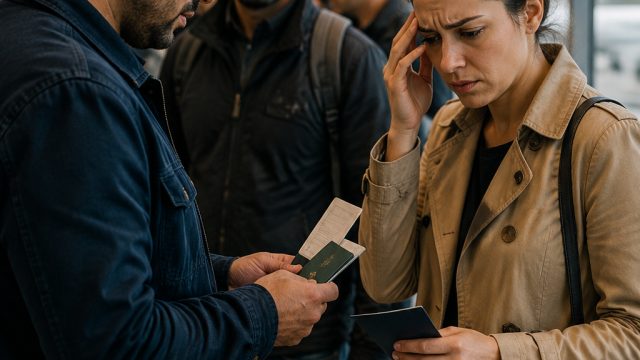
In a surprising move, the eastern government of Libya has instituted a ban on the entry of nationals from four specific African countries. This decision raises important questions about regional stability, economic implications, and the humanitarian aspects of such restrictions. As travel policies continue to evolve globally, understanding the underlying motives and potential repercussions of these actions is crucial for both residents and international observers.
The Nature of the Ban
The recent announcement prohibits entry for citizens from four nations, primarily citing security concerns and public health issues as key reasons for this drastic measure. The eastern government has expressed fears that the entry of individuals from these countries could lead to increased risks of instability, especially given the ongoing tensions within the region.
Security Concerns
- Heightened risks of terrorism and organized crime
- Possible influx of refugees amid regional conflicts
- Challenges in monitoring borders effectively
These factors have prompted Libya's authorities to act swiftly in an attempt to safeguard their national security. Nevertheless, the implications of such a ban extend beyond mere security; they touch upon issues of international relations and human rights.
Humanitarian Impact
Critics of the ban have raised concerns regarding its humanitarian impact, particularly on those seeking asylum or fleeing from conflict. The decision is likely to affect many vulnerable individuals who may be in desperate need of protection and support.
Implications for Refugees
Libya has long been a transit point for refugees aiming to reach Europe. The new restrictions could exacerbate the already dire situation for many individuals:
- Increased difficulty in accessing safe passage to Europe
- Potential rise in human trafficking as desperate individuals seek alternative methods
- Strain on local resources as communities grapple with influxes of displaced persons
Organizations advocating for refugees have expressed their dismay at the restrictive measures, emphasizing the need for compassionate and humane approaches to migration.
International Reactions
The international community's response to Libya's travel ban has been mixed. While some nations understand the security rationale, others criticize the decision as discriminatory and harmful to those in need. The United Nations and various human rights organizations are calling for a reevaluation of the policy, urging the Libyan government to consider the broader implications of such restrictive measures.
Calls for Dialogue
In light of these developments, many stakeholders are advocating for a collaborative approach. Key points of discussion include:
- The importance of engaging with affected nations to address security concerns
- Creating safe pathways for refugees to escape conflict zones
- Enhancing regional cooperation to manage migration effectively
Leaders from various countries are calling for diplomatic dialogues to mitigate tensions and seek common ground, emphasizing that security should not come at the expense of human rights.
Looking Ahead
As Libya navigates these complex issues, the situation remains fluid. The effects of the entry ban will likely unfold over time, influencing not only regional dynamics but also the broader landscape of international travel and diplomacy. Monitoring these developments will be essential for understanding the multifaceted nature of migration and security in today's world.
Concluding Thoughts
Libya's recent travel restrictions serve as a reminder of the delicate balance between national security and humanitarian responsibilities. As the global landscape continues to evolve, it’s crucial for governments to adopt policies that safeguard their citizens while also respecting the rights and dignities of those seeking refuge. The international community must remain vigilant and engaged, advocating for solutions that uphold humanitarian values in the face of security challenges.
